‘If Martin Luther hadn’t been a musician, the course of music history might have been very different’
Martin Luther, the influential German cleric who ignited the Reformation and profoundly reshaped Europe, held a deep conviction about music: he saw it as a divine gift. It's often debated whether he actually uttered the famous phrase, 'Why should the devil have all the best tunes?', but it certainly encapsulates his spirit.
The pivotal moment arrived on All Hallows' Eve in 1517. Luther, then a 33-year-old priest and scholar, boldly affixed his 95 Theses – a document written in Latin outlining 95 statements – to the church door in Wittenberg. These theses primarily protested against the widespread corruption within the church, particularly the controversial practice of indulgences, where the wealthy could seemingly purchase their salvation by enriching priests and the papacy. More fundamentally, Luther championed the revolutionary idea that every individual could forge a direct, personal connection with God, unmediated by the elaborate rituals and hierarchical structure of the church.
This defiant act led to his excommunication and a summons to the Diet of Worms, where he was declared a heretic and faced the dire consequence of death by burning at the stake. A dramatic escape, involving disguise and a staged abduction, marked the true beginning of the Reformation.
So, what was the connection to music? The Reformation was undoubtedly a monumental event that significantly altered the course of music history. Luther himself was an accomplished musician, possessing knowledge of music theory and proficiently playing the lute and flute. He valued music immensely, considering it second only to theology. However, not all his followers shared this enthusiasm. Some more fundamentalist adherents advocated for the complete removal of elaborate musical forms like polyphony, mass settings, and anthems, arguing that the unadorned word of scripture alone sufficed for worship.
Fresh materials — Society news

Esther Rantzen, TV Presenter and Childline Founder, Dies at 86
Esther Rantzen, the Bafta-winning television presenter and creator of the charity Childline, has died at 86. Her family described her as “the most wonderful mother” and “cherished grandmother,” whose “legacy of compassion and understanding will live on in her charities Childli

How Zach Cregger's Resident Evil Captures the Game's Essence
Some Resident Evil fans have voiced dissatisfaction online with Zach Cregger’s film adaptation, calling it "not a real Resident Evil movie." Yet, despite the absence of iconic heroes like Leon or Claire, familiar villains, and well-known settings, Cregger's interpretation stands out a

Questions for Michael Winterbottom
The 90s are currently in vogue, but they wouldn't have happened without the 80s. Michael Winterbottom's 2002 film, 24 Hour Party People, explores Manchester's music scene from the Sex Pistols' 1976 gig at the Lesser Free Trade Hall, through Factory Records, Joy Division, New Order, an
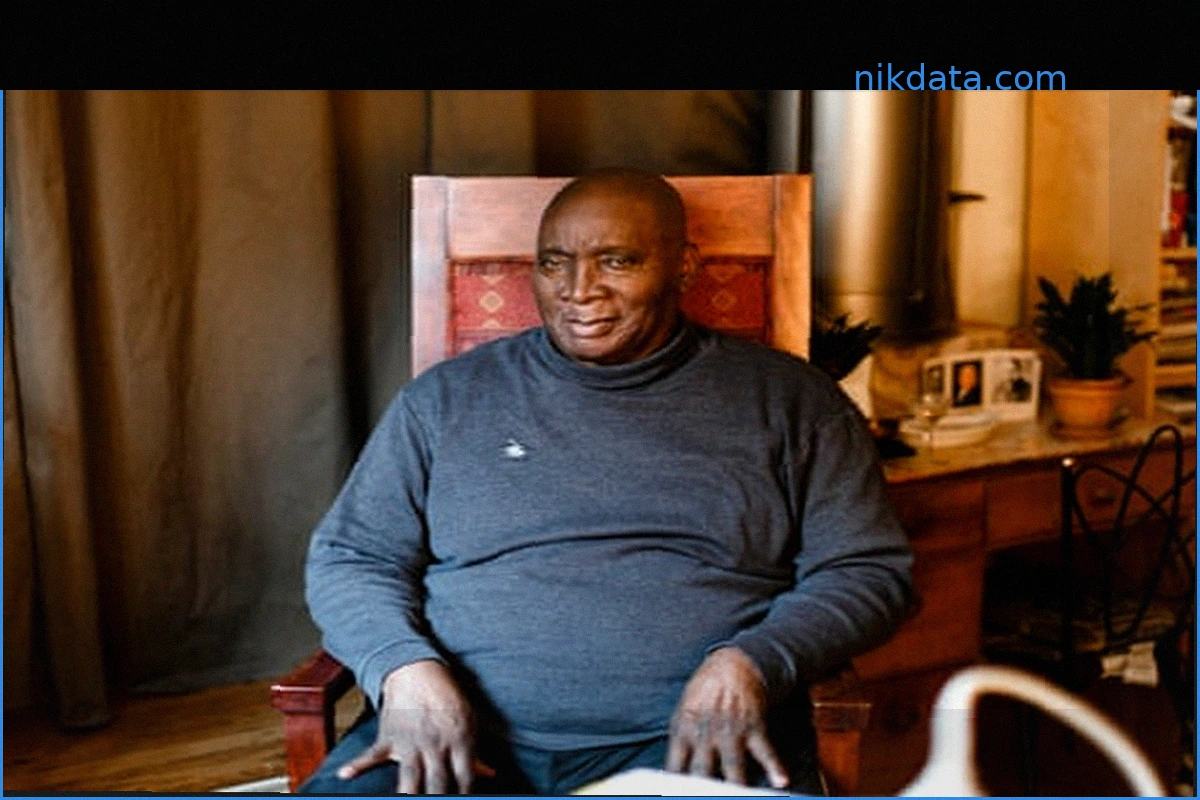
Mighty Sparrow, Trinidad and Tobago's 'Calypso King of the World,' Dies at 91
Slinger Francisco, known on stage as the Mighty Sparrow and hailed as the “calypso king of the world,” has died at 91. His family confirmed his peaceful passing surrounded by loved ones in New York on Sunday, stating it followed a brief illness. Francisco rose to prominence in calypso music

Korea review – a nirvana of wild beauty shattered by the 20th century
Can they replicate the success? The British Museum's blockbuster Bayeux Tapestry exhibition has set a high bar. Now, they follow with "Korea," an exploration of "2,000 years of creativity" from a land that, prior to the 20th century's hardships, experienced millennia of peace, as refl
Taylor Swift's "The Life of a Showgirl: The Encore": A Human Glimpse Amidst Bitter Love Songs
Taylor Swift's decision to release an expanded version of her album, "The Life of a Showgirl," titled "The Encore," has sparked speculation. Many fans believe it's a strategic move to influence Grammy voters or to disrupt chart records. This follows Swift's earlier statement that "