Why is gaming becoming so expensive? The answer is found in AI
The world of gaming is currently experiencing an unusual and increasingly frustrating trend: the surging cost of consoles. Take the PlayStation 5, for example. When it first launched in the UK roughly five and a half years ago, its price tag was £449. Today, if you were to purchase the standard model at its recommended retail price, it would be £569.99, while the updated Pro version commands a hefty £789.99. Sony recently implemented another £90 price increase on its console, marking the latest in a series of hikes. This phenomenon is quite unprecedented, as consoles have historically tended to decrease in price over time, only appreciating in value once they transition into highly sought-after retro collectibles.
So, what exactly is fueling this unprecedented escalation in gaming hardware prices? A significant factor, and arguably the most exasperating one, is the immense and ever-growing demand for computing power driven by artificial intelligence. AI data centers, which underpin services like advanced search engines and generative AI tools such as ChatGPT, require vast quantities of RAM and storage to operate efficiently. This colossal demand has inevitably driven up the cost of these critical components, directly impacting the manufacturing expenses of modern gaming consoles.
While AI plays a dominant role, it isn't the sole contributor to rising costs. Broader global economic instability, exacerbated by geopolitical conflicts and widespread inflation, has eroded profit margins across numerous industries, including gaming. However, many consumers find the AI connection particularly galling. It's perceived as an avoidable expense that forces gamers to inadvertently subsidize AI applications, some of which are viewed as frivolous or even detrimental, such as generating deceptive content for online dating profiles. This confluence of factors truly suggests that "something is rotten in the state of gaming," as consumers grapple with unprecedented prices.
Fresh materials — Society news

Esther Rantzen, TV Presenter and Childline Founder, Dies at 86
Esther Rantzen, the Bafta-winning television presenter and creator of the charity Childline, has died at 86. Her family described her as “the most wonderful mother” and “cherished grandmother,” whose “legacy of compassion and understanding will live on in her charities Childli
How Zach Cregger's Resident Evil Captures the Game's Essence
Some Resident Evil fans have voiced dissatisfaction online with Zach Cregger’s film adaptation, calling it "not a real Resident Evil movie." Yet, despite the absence of iconic heroes like Leon or Claire, familiar villains, and well-known settings, Cregger's interpretation stands out a
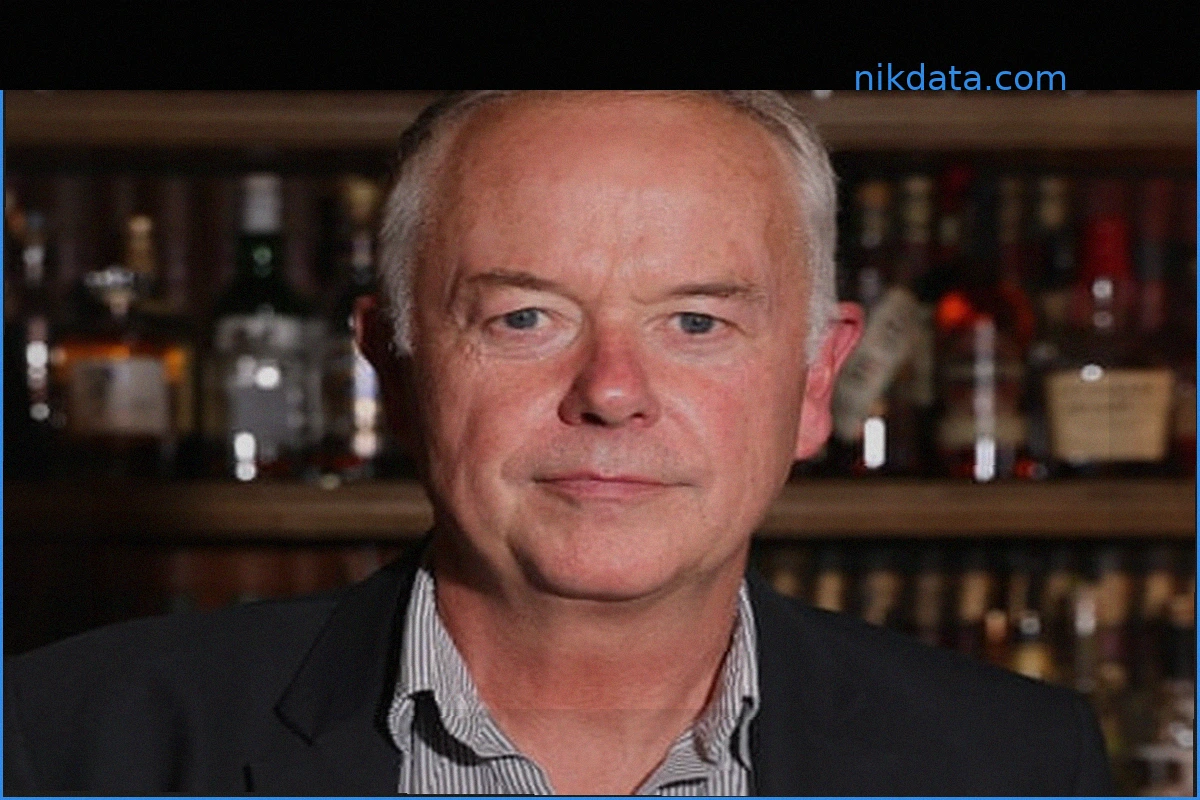
Questions for Michael Winterbottom
The 90s are currently in vogue, but they wouldn't have happened without the 80s. Michael Winterbottom's 2002 film, 24 Hour Party People, explores Manchester's music scene from the Sex Pistols' 1976 gig at the Lesser Free Trade Hall, through Factory Records, Joy Division, New Order, an

Mighty Sparrow, Trinidad and Tobago's 'Calypso King of the World,' Dies at 91
Slinger Francisco, known on stage as the Mighty Sparrow and hailed as the “calypso king of the world,” has died at 91. His family confirmed his peaceful passing surrounded by loved ones in New York on Sunday, stating it followed a brief illness. Francisco rose to prominence in calypso music

Korea review – a nirvana of wild beauty shattered by the 20th century
Can they replicate the success? The British Museum's blockbuster Bayeux Tapestry exhibition has set a high bar. Now, they follow with "Korea," an exploration of "2,000 years of creativity" from a land that, prior to the 20th century's hardships, experienced millennia of peace, as refl
Taylor Swift's "The Life of a Showgirl: The Encore": A Human Glimpse Amidst Bitter Love Songs
Taylor Swift's decision to release an expanded version of her album, "The Life of a Showgirl," titled "The Encore," has sparked speculation. Many fans believe it's a strategic move to influence Grammy voters or to disrupt chart records. This follows Swift's earlier statement that "