Screen Time's Unexpected Link to Kids' Cognitive Skills
A Finnish study has uncovered an unexpected correlation between screen usage and cognitive capabilities. Children who spent more time in front of screens as they grew tended to exhibit enhanced cognitive processing during their adolescent years. One of the lead researchers advises against viewing screen time as purely detrimental, suggesting that the objective should be to strike a balance between physical activity and screen use that stimulates active thinking.
Low levels of physical activity among adolescents continue to be a significant public health issue. Sedentary habits have been linked to poorer academic outcomes, while physical activity is known to support brain function, particularly in adults. However, there is considerably less understanding of how physical activity and sedentary behavior during childhood and adolescence relate to cognitive processing in later adolescence.
These formative years are particularly crucial because the brain is still undergoing development. Factors that shape cognitive abilities during childhood and adolescence can have enduring effects that extend into adulthood, potentially impacting educational and professional trajectories.
Researchers investigated the relationship between physical activity, sedentary behavior, and screen time from childhood through adolescence with cognitive processing during the teenage years. They also examined potential differences between boys and girls and explored whether the intensity of physical activity played a role.
Increased Screen Time Associated with Enhanced Cognitive Processing
The findings indicated that greater screen time, commencing in childhood, was associated with improved cognitive processing in adolescence.
"The results suggest that screen time can contribute to the cognitive processing of children and adolescents. Presumably, the key factor here is the nature of their screen activities. Educators and parents should encourage children to engage with devices and screens in ways that foster active thinking, problem-solving, creativity, and learning," stated Doctoral Researcher Petri Jalanko from the University of Jyväskylä.
The findings imply that the type of screen activity may be significant. Digital activities involving learning, creativity, problem-solving, or other forms of active mental engagement could potentially help explain the association observed in the study.
"We should not perceive screen time as solely harmful but rather aim for a balance between physical activity and screen time that encourages active thinking," Jalanko concluded.
Physical Activity Showed Different Connections in Girls and Boys
The link between physical activity and cognition proved more complex.
Among girls, higher amounts of light-intensity physical activity since childhood were associated with better working memory during adolescence. For boys, increased participation in guided physical activity from childhood through adolescence was linked to improved working memory.
The researchers also identified an unexpected pattern concerning unsupervised exercise. Lower self-reported levels of unsupervised physical activity were associated with better cognitive processing in adolescence.
In contrast, physical activity and sedentary time measured by a device tracking heart rate and movement showed no association with cognitive processing. A possible explanation is that these sensors can measure movement and physiological activity but cannot precisely determine an individual's actions during periods of activity or inactivity.
"Our study suggests that the connections between physical activity and sedentary behavior with cognitive processing are intricate and depend on sex, the type of physical activity, and the assessment method used for physical activity and sedentary time. Furthermore, boys and girls may benefit from different types of physical activity concerning brain health," Jalanko added.
Further Research Needed to Establish Cause and Effect
The researchers emphasize that the findings demonstrate associations rather than proving that screen time or specific types of physical activity directly cause changes in cognitive performance.
"However, we require more intervention studies to ascertain causal relationships and sex differences in this regard. Additionally, it is important to examine more specifically the impact of physical activity intensity on changes occurring in cognitive processing."
The results stem from an eight-year follow-up of the PANIC study, which focuses on children's physical activity and nutrition. The current analysis included 124 girls and 136 boys with an average age of 15.8 years.
Physical activity and sedentary behavior were measured using both survey questionnaires and a device combining heart rate and movement measurements. Learning, attention, and working memory were assessed using the CogState test battery.
The research was published in the journal Pediatric Exercise Science.
Fresh materials — Science news

GLP-1 Medications in Children Linked to Nutritional Deficiencies
Children prescribed GLP-1 medications for weight loss, prediabetes, or type 2 diabetes may face a significant nutritional risk. A study published in Childhood Obesity identified that almost 17% of young patients (16.8%) were diagnosed with a nutritional deficiency within their first year of tr

Dietary Changes May Reverse Biological Age in Older Adults Within 4 Weeks
Significant shifts in biological age markers are achievable for older adults in a remarkably short period, driven solely by dietary modifications. New findings from the University of Sydney indicate that Australians aged 65 to 75 who reduced either dietary fat or animal-based protein displayed
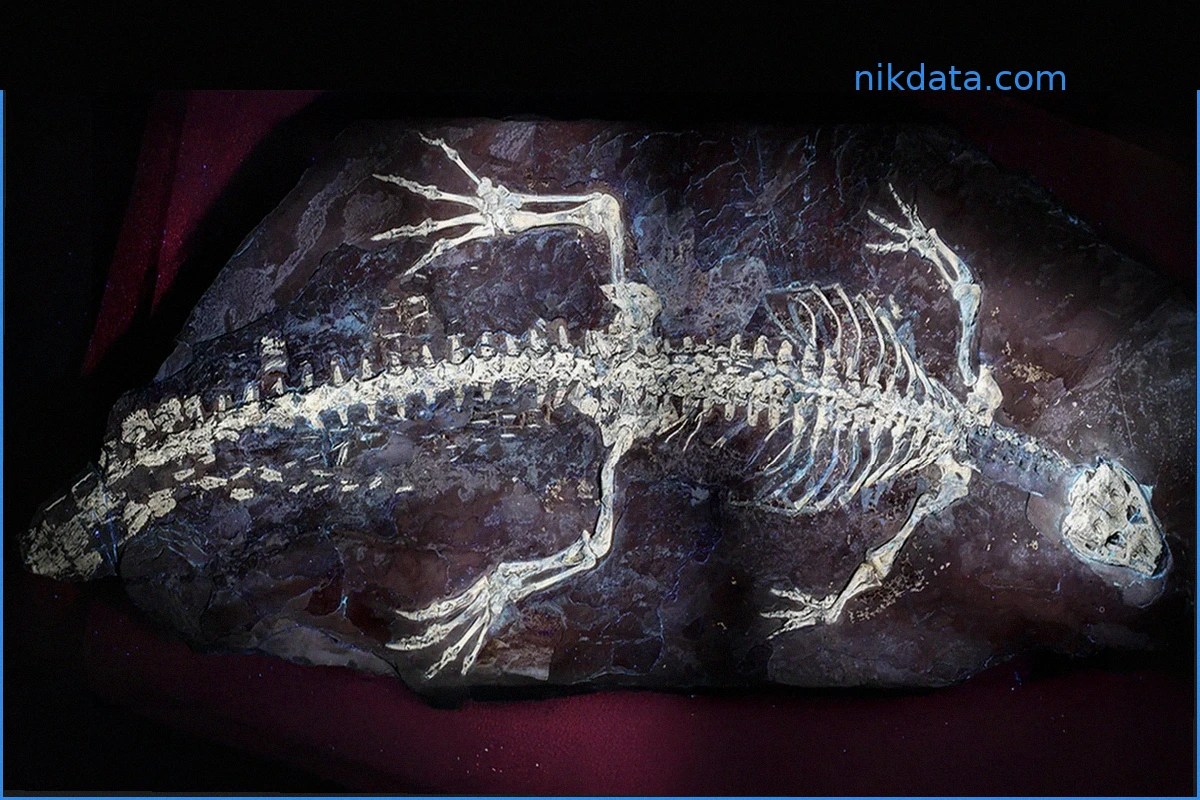
UV Light Reveals Possible Camouflage on 125-Million-Year-Old Crocodile Fossil
A remarkably preserved fossil from northeastern Spain offers a rare glimpse into the skin, soft tissues, and potential coloration of an ancient crocodile relative that lived approximately 125 million years ago. This new research, detailed in the Zoological Journal of the Linnean Society,
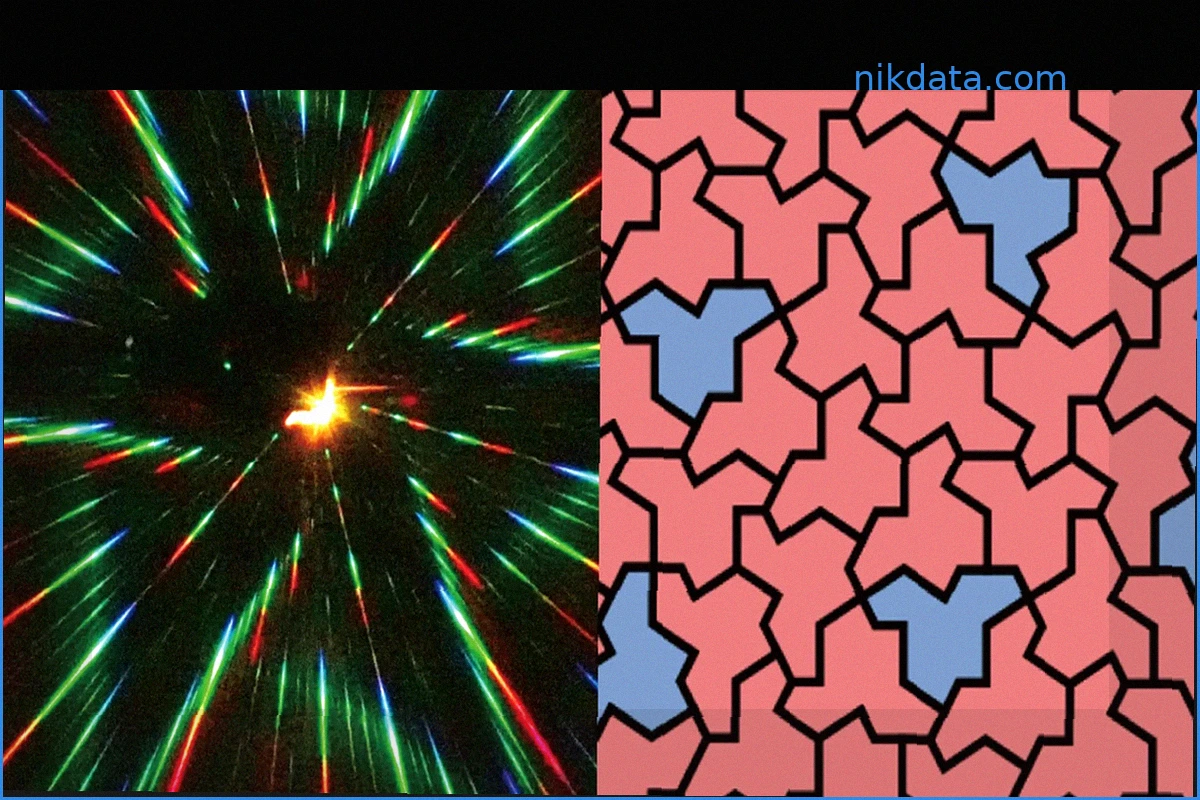
The Einstein Problem's Shape Reveals New Physics Through Light Patterns
A mathematical shape, famous for solving a decades-old puzzle, is now showing an unexpected link to physics. Structures based on this shape can make light form unusual chiral patterns, opening new avenues for studying how geometry affects optical behavior. Researchers from the Institute of

Tiny Fossils Reveal Secrets of Complex Life's Origin
While the hunt for life on Mars or distant icy moons often grabs headlines, a profound mystery about the emergence of complex life is unfolding much closer to home. Scientists are diligently working to pinpoint when the first eukaryotes appeared on Earth and how these pivotal organisms paved

Einstein's Cosmic Blunder: The Cosmological Constant and Dark Energy
More than a century ago, Albert Einstein shifted his focus from gravity to the universe's destiny. In 1917, shortly after formulating his general theory of relativity, he began applying its equations to cosmology, seeking to understand the universe on its grandest scales. Gravity was the natura