Ultra-Processed Foods and Colorectal Cancer Risk: A Massive Study
A major study involving over 460,000 Americans challenges the view that all ultra-processed foods (UPFs) equally increase colorectal cancer (CRC) risk. Researchers found no overall link between higher UPF consumption and increased CRC rates. However, the study did identify a nuanced relationship: certain types of UPFs were associated with lower cancer risks, while others were linked to higher risks.
This research, conducted by Erikka Loftfield of the National Cancer Institute and published in PLOS Medicine, indicates that the health consequences of UPFs might hinge on their specific ingredients.
UPFs make up more than half of the average American adult's calorie intake. They have faced increasing scrutiny for potential links to chronic diseases, including CRC. Yet, the broad category of UPFs encompasses a wide array of foods, making it difficult to assess their collective health impact.
For instance, some UPF whole grain and dairy items have been associated with a reduced risk of CRC, whereas processed meats are linked to an increased risk. This distinction raises questions about whether processing alone serves as a reliable indicator of a food's health effects.
Large-Scale Study Tracks Cancer Risk Over 19 Years
To explore these differences, researchers analyzed health and dietary data from 461,682 Americans aged 50 to 71 who participated in the NIH-AARP Diet and Health Study between 1995 and 1996.
Participants initially completed questionnaires detailing their food consumption frequency. Researchers used this information to estimate individual UPF intake.
Participants were monitored through 2018, with an average follow-up of 18.8 years, allowing the study to examine dietary patterns in relation to CRC development over almost two decades.
The results showed no significant overall association between total UPF intake and CRC incidence. In simpler terms, individuals consuming more UPFs did not, as a group, show higher rates of colorectal cancer.
However, a more detailed look at specific food categories revealed a more complex picture.
Certain Ultra-Processed Foods Linked to Lower Cancer Risk
Higher intake of whole grains, fiber, dairy, and calcium from UPF sources was linked to a lower incidence of CRC.
Conversely, meat from UPF sources showed an opposite trend, with higher consumption associated with increased cancer incidence.
The study also explored the impact of replacing UPFs with less processed alternatives. Their analysis suggested that substituting 10% of UPF intake by weight with minimally processed foods was associated with a 2% decrease in CRC incidence.
These findings imply that the nutritional makeup of individual foods may offer more insight than simply labeling them as 'ultra-processed.' Foods within the same broad category can have markedly different associations with cancer risk.
Important Limitations of the Findings
Despite the study's considerable size and long follow-up, the researchers caution that the conclusions might not apply universally.
The majority of participants were older, white Americans. Therefore, the findings may not accurately reflect the experiences of younger individuals or more diverse racial and ethnic groups.
Another significant limitation relates to dietary data collection. Participants reported their eating habits only once at the study's outset. Consequently, the researchers could not account for dietary shifts over the subsequent decades.
The increased availability and variety of UPFs during this period may also have influenced consumption. As a result, initial dietary assessments might have underestimated actual intake during the study.
Given that this was an observational study, it cannot definitively prove whether specific foods directly cause or prevent cancer.
Implications for Healthy Eating
Instead of viewing all UPFs as uniformly detrimental, the findings support assessing foods based on their nutritional content and specific health associations.
These results align with current dietary advice for CRC prevention, which promotes consuming whole grains, fiber, dairy, and calcium-rich foods while limiting processed meats.
Loftfield stated, 'In this large population of older US adults, we did not observe an association between total ultra-processed food (UPF) intake and colorectal cancer incidence; however, when we looked at food groups, like whole grains, dairy, and meat, by UPF or non-UPF source, we found that associations were in line with current dietary guidance for colorectal cancer prevention such that higher whole grain and dairy but lower meat intakes were associated with lower colorectal cancer incidence.'
Ultimately, the study emphasizes that the 'ultra-processed' label may not tell the complete story. Regarding colorectal cancer, the specific types of foods consumed appear to be more critical than their processing category alone.
Fresh materials — Science news

Hurricane Forecast Maps Improve Clarity, But Understanding Remains a Challenge
Updated hurricane forecast maps now make it easier to pinpoint storm-threatened zones. However, new research highlights a significant issue: even when people can identify areas under hurricane watches, they might not perceive an increased risk or feel motivated to take protective actions.
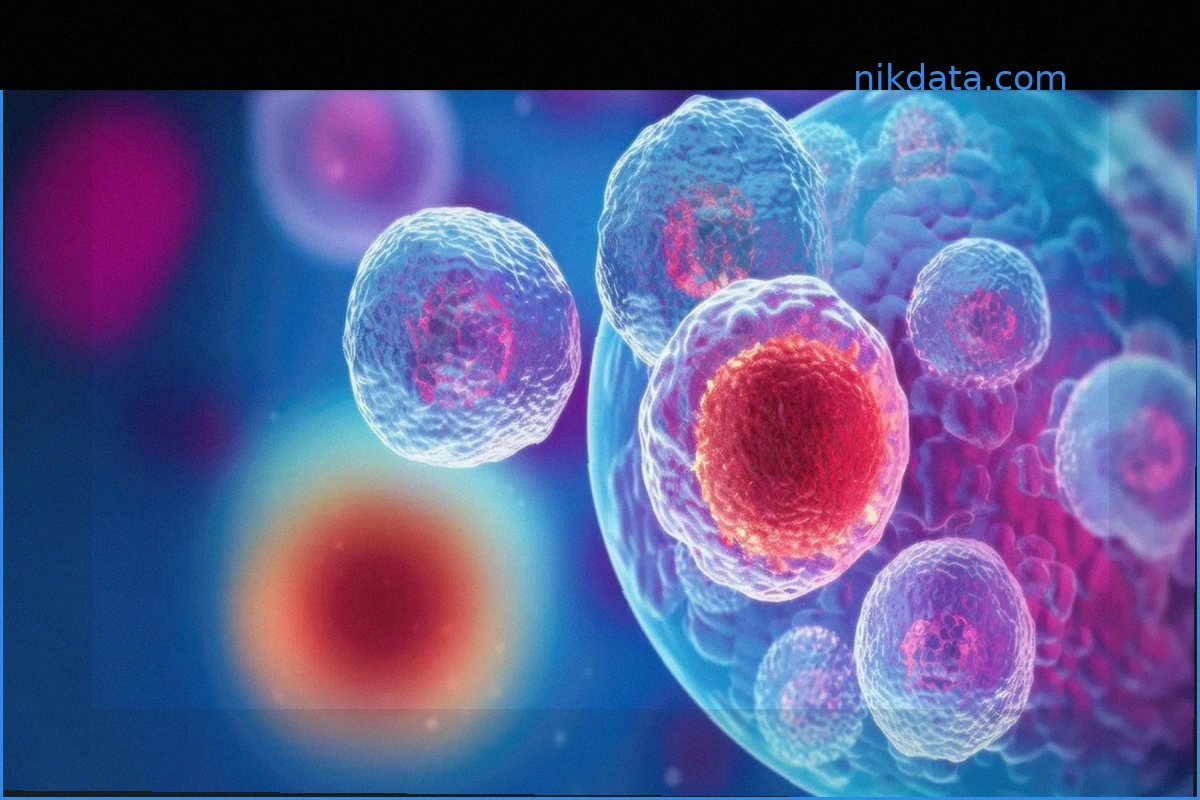
Scientists Reverse 60 Years of Cellular Aging in Human Cells
German researchers have found a method to significantly reverse the molecular age of human cells. They transformed blood cells from an 80-year-old into stem cells that appeared less than 20 years old at a molecular level. At the University Hospital of Bonn and the University o
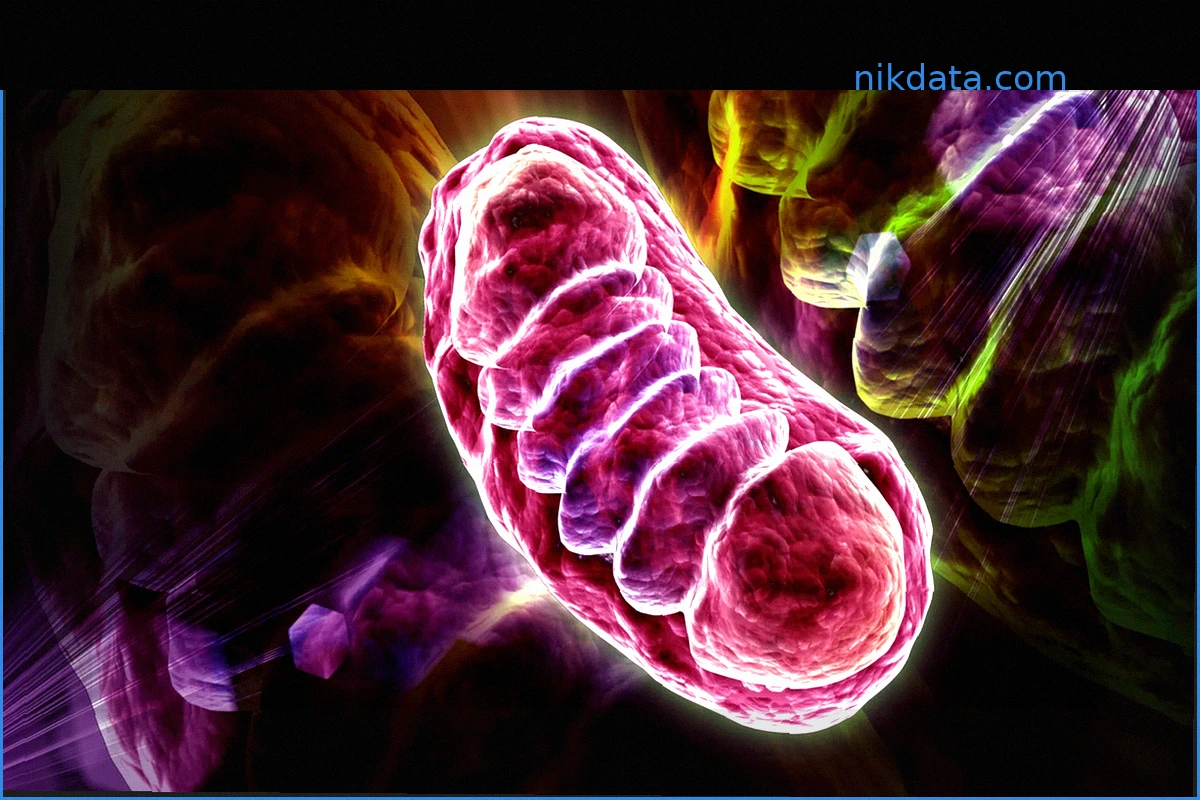
Excess RNA Starves Cells of Energy, New Study Reveals
Scientists have discovered that a high concentration of RNA within cells can harm the structures responsible for energy production, potentially impairing cellular operations. Research from the Texas A&M College of Veterinary Medicine and Biomedical Sciences (VMBS)

GLP-1 Medications in Children Linked to Nutritional Deficiencies
Children prescribed GLP-1 medications for weight loss, prediabetes, or type 2 diabetes may face a significant nutritional risk. A study published in Childhood Obesity identified that almost 17% of young patients (16.8%) were diagnosed with a nutritional deficiency within their first year of tr
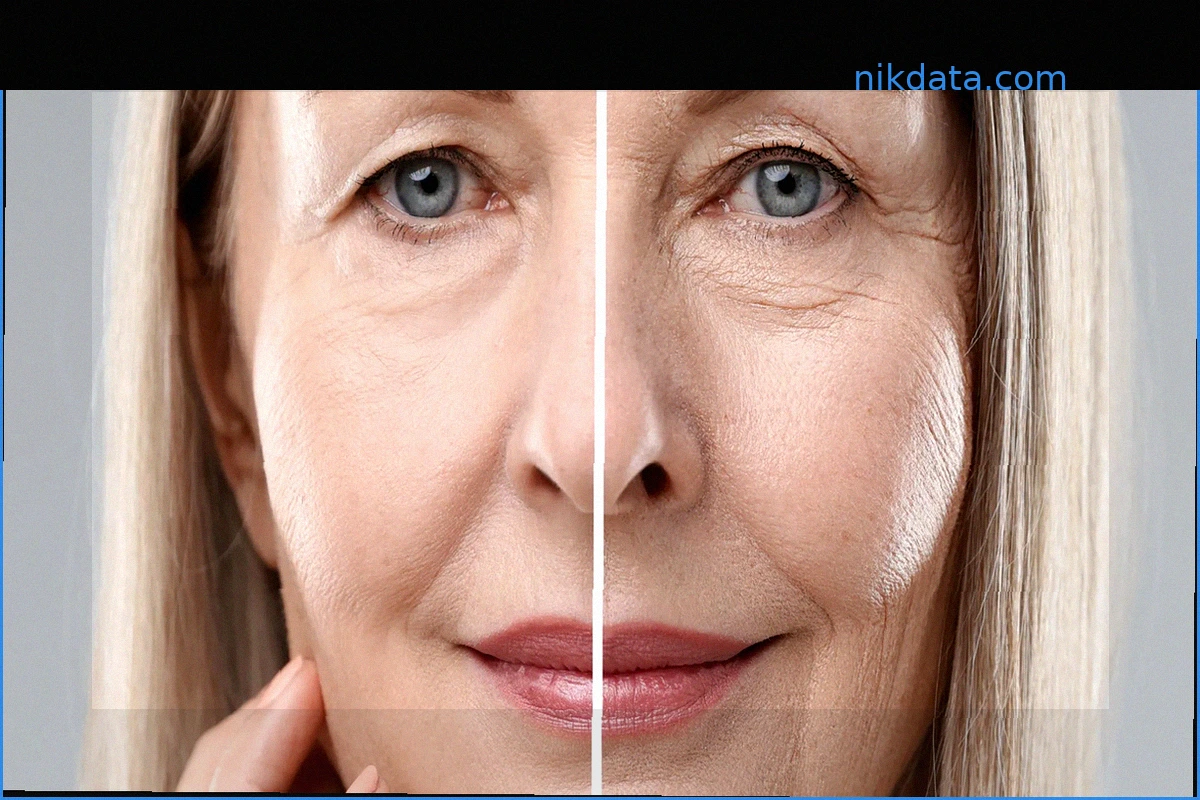
Dietary Changes May Reverse Biological Age in Older Adults Within 4 Weeks
Significant shifts in biological age markers are achievable for older adults in a remarkably short period, driven solely by dietary modifications. New findings from the University of Sydney indicate that Australians aged 65 to 75 who reduced either dietary fat or animal-based protein displayed
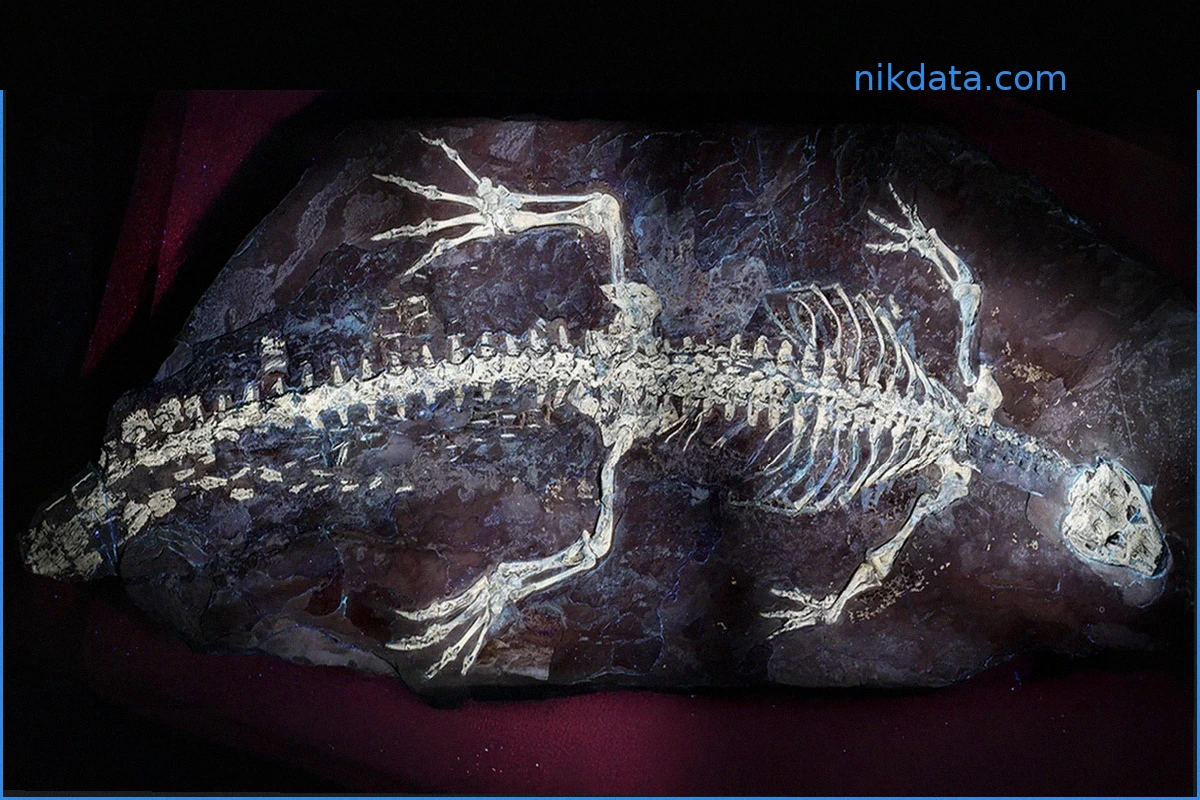
UV Light Reveals Possible Camouflage on 125-Million-Year-Old Crocodile Fossil
A remarkably preserved fossil from northeastern Spain offers a rare glimpse into the skin, soft tissues, and potential coloration of an ancient crocodile relative that lived approximately 125 million years ago. This new research, detailed in the Zoological Journal of the Linnean Society,