Exercise May Slow Parkinson's Progression: A Double Benefit
Physical activity appears to offer a dual advantage for individuals with Parkinson's disease, potentially slowing the decline in memory, cognitive function, and movement. This finding comes from a recent study published in Neurology.
While the research highlights a connection between staying active and experiencing a slower progression of symptoms, it's important to note that the study identifies an association, not direct causation. Exercise does not yet have definitive proof of directly slowing the disease's advancement.
Parkinson's disease affects the brain, leading to progressive movement and cognitive issues that impact independence. Previous work touched on physical activity and motor symptoms. This new study indicates physical activity might benefit both movement and cognition simultaneously.
Researchers tracked 294 adults with mild to moderate Parkinson's for up to seven years. Participants, averaging 66 years old, reported their weekly hours of physical activity, encompassing work, home, and leisure. Activities were categorized by intensity, with brisk walking and household chores considered moderate, while running and team sports were more demanding.
The study analyzed activity in three ways: total moderate-to-vigorous activity time, a combined measure of duration and intensity (giving more weight to strenuous exercise), and time spent specifically on vigorous activities. Participants were grouped into least, moderately, and most active categories based on their total weekly exercise time.
Cognitive function was assessed annually using a 30-point test. The least active group saw an average yearly score decrease of 0.478 points. In contrast, the moderately active group's scores dropped by 0.090 points annually, and the most active group experienced a minimal decline of just 0.007 points, indicating near-stability in cognitive scores over time.
Motor symptoms were evaluated on a scale from 0 to 132, with higher scores indicating more severe symptoms. The least active group saw an annual increase of 0.143 points in symptom scores. The moderately active group showed a yearly decrease of 0.225 points, and the most active group recorded a decrease of 0.783 points per year.
Even after accounting for factors like age, sex, and disease duration, the most active participants showed slower cognitive decline and less worsening of movement symptoms compared to the least active group. This link held true across different measures of exercise intensity and volume.
The findings suggest sustained physical activity is crucial for those with Parkinson's. Small differences in decline rates can become significant over years. While differences observed in the study were small, they may accumulate meaningful benefits over time.
Researchers acknowledged a limitation: activity levels were self-reported, potentially leading to inaccuracies. Further research is needed to confirm if exercise directly slows symptom progression. This study adds to evidence connecting physical activity with better long-term outcomes in Parkinson's disease.
Fresh materials — Science news
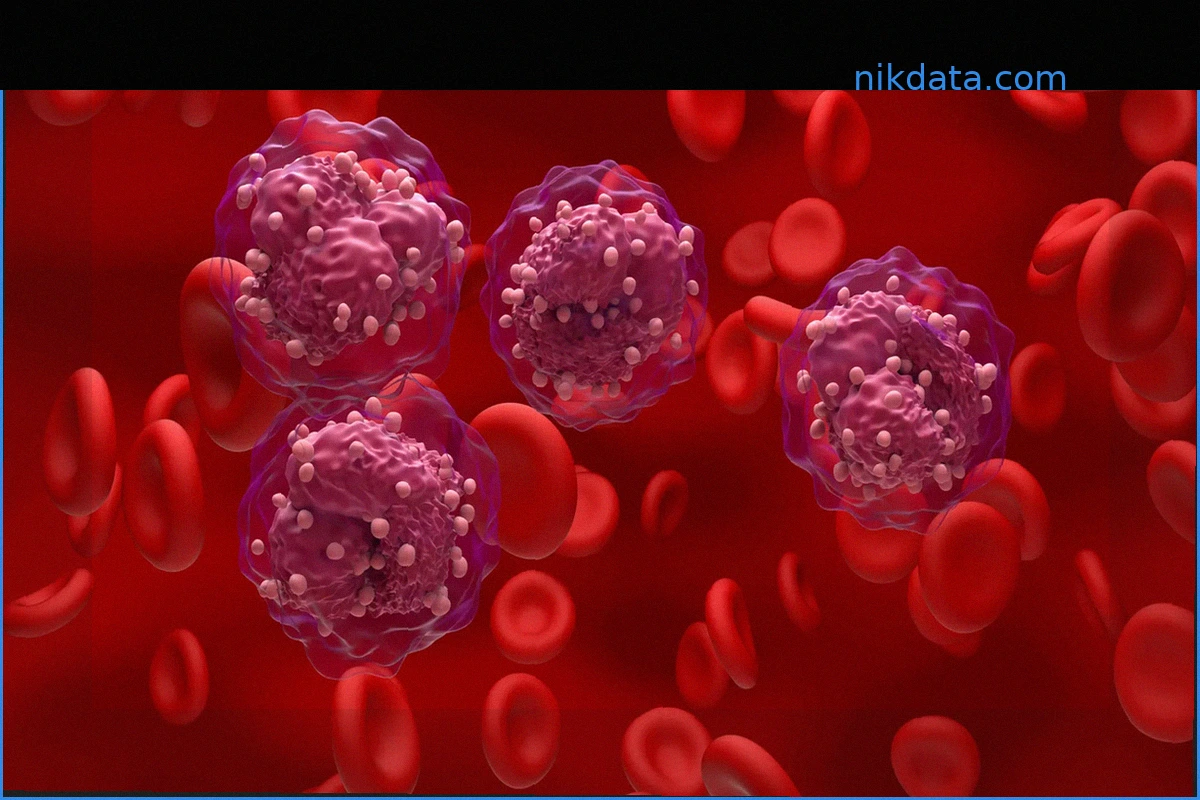
Vitamin C Linked to Improved Survival in Pre-Cancerous Blood Disorders
Vitamin C supports immune function, wound healing, and cellular protection. Individuals with pre-cancerous blood disorders and blood cancers often have low vitamin C levels. Researchers explored whether correcting this deficiency could improve their health and treatment outcomes. Finding

Solar Storm Delayed Train: Historical Space Weather Record Corrected
A train delay from nearly 180 years ago has led scientists to correct a misunderstanding about the history of space weather. An international research team has solved a 178-year-old mystery concerning one of the earliest documented instances of solar activity affecting electrical techn

Hurricane Forecast Maps Improve Clarity, But Understanding Remains a Challenge
Updated hurricane forecast maps now make it easier to pinpoint storm-threatened zones. However, new research highlights a significant issue: even when people can identify areas under hurricane watches, they might not perceive an increased risk or feel motivated to take protective actions.
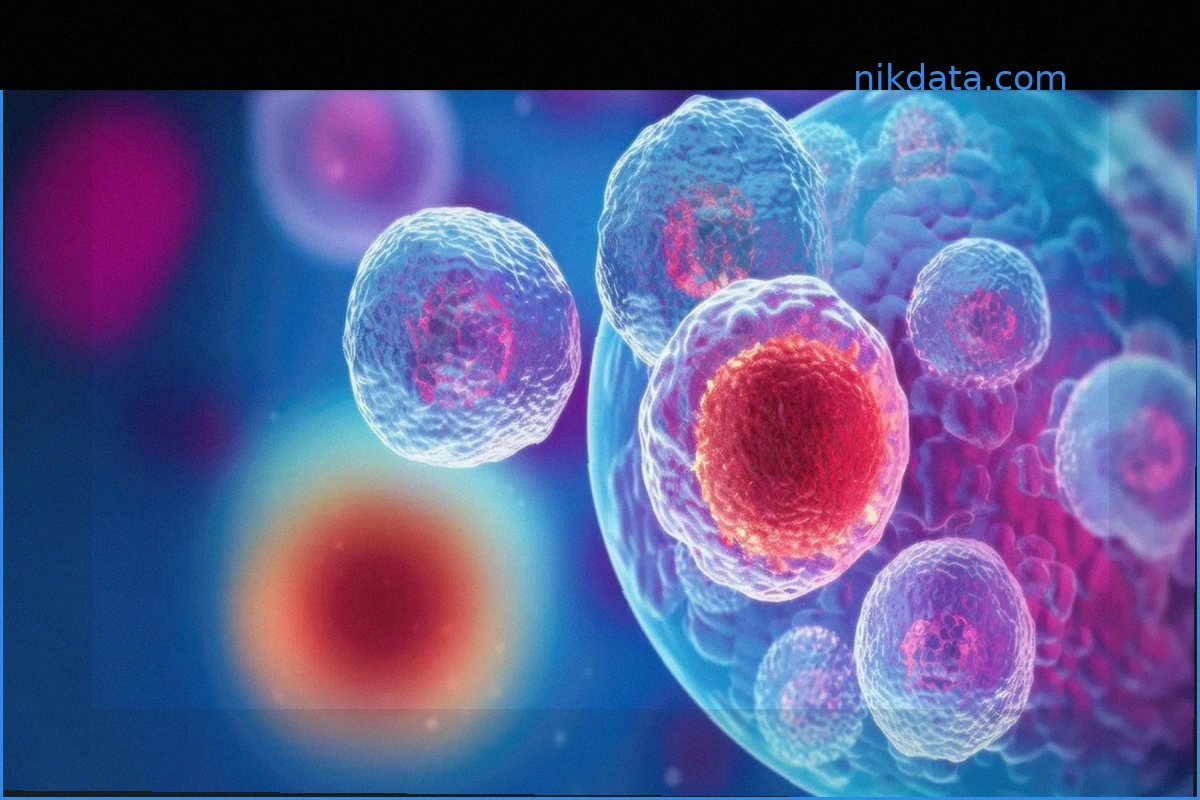
Scientists Reverse 60 Years of Cellular Aging in Human Cells
German researchers have found a method to significantly reverse the molecular age of human cells. They transformed blood cells from an 80-year-old into stem cells that appeared less than 20 years old at a molecular level. At the University Hospital of Bonn and the University o

Ultra-Processed Foods and Colorectal Cancer Risk: A Massive Study
A major study involving over 460,000 Americans challenges the view that all ultra-processed foods (UPFs) equally increase colorectal cancer (CRC) risk. Researchers found no overall link between higher UPF consumption and increased CRC rates. However, the study did identify a nuanced re
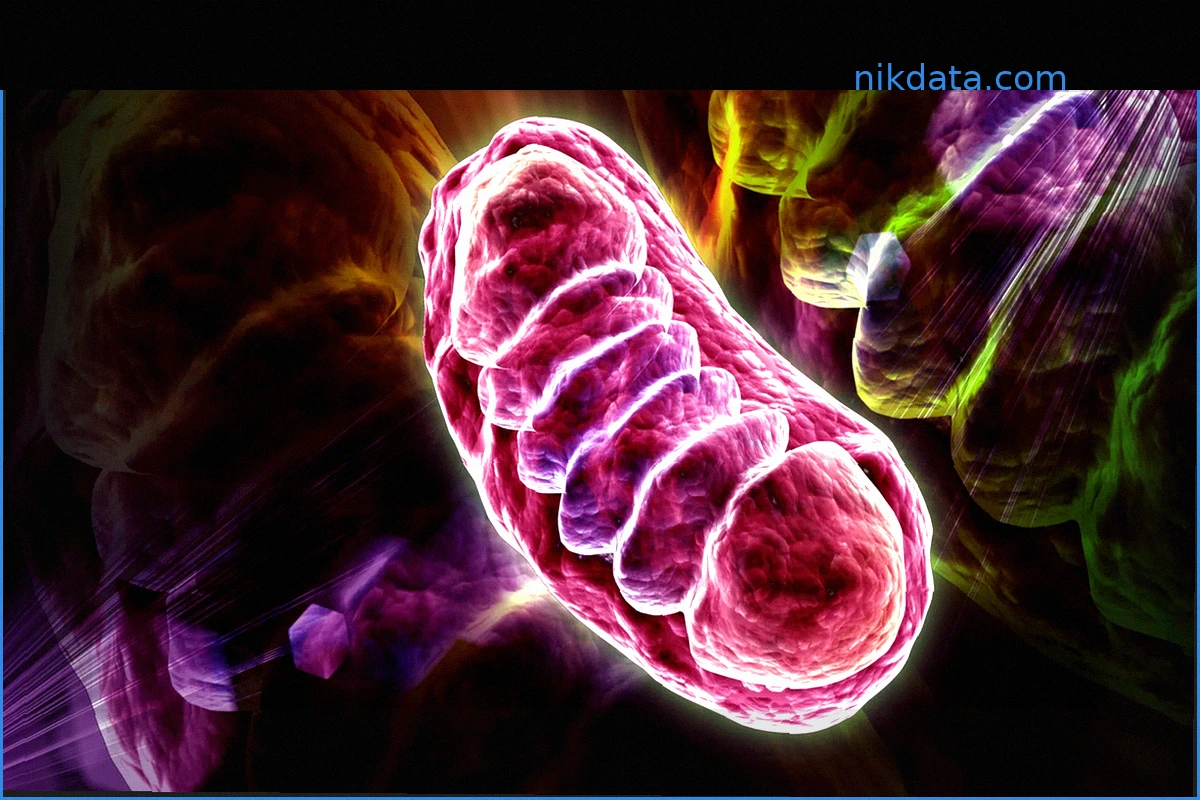
Excess RNA Starves Cells of Energy, New Study Reveals
Scientists have discovered that a high concentration of RNA within cells can harm the structures responsible for energy production, potentially impairing cellular operations. Research from the Texas A&M College of Veterinary Medicine and Biomedical Sciences (VMBS)