Kratom Poison Center Cases Skyrocket 6,500% in the US
Kratom, a psychoactive plant known for its opioid-like effects at higher doses, has been associated with a significant surge in poison center reports and severe medical consequences nationwide. Recent research published in Addiction indicates a dramatic escalation in reported kratom exposures over the last ten years.
The study highlights that kratom exposures reported to American Poison Centers jumped from a mere 19 cases in 2010 to 1,242 cases in 2023, marking an increase of over 65-fold (6,500%).
Concurrently, the incidence of severe cases has risen considerably. While no severe outcomes were reported in 2010 (with the first severe outcome recorded in 2012), 2023 saw 158 such cases. A severe medical outcome was defined by researchers as one involving life-threatening effects, substantial long-term disability, or death.
The research also uncovered disparities among states, linked to their kratom regulatory approaches. States that have implemented kratom bans consistently reported lower rates of exposure, severe medical outcomes, and healthcare utilization compared to states with consumer protection policies or no kratom regulations.
Kratom Risks and State Regulations
Dr. Ryan Feldman, senior author from the Medical College of Wisconsin, noted, "Kratom is neither scheduled under the US Controlled Substances Act nor approved for medical use by the FDA, leaving US states to establish their own regulations. However, several US states do not regulate kratom at all, and these states consistently demonstrated worse outcomes in this study than those that banned kratom use."
"Evidence indicates that kratom can lead to serious health issues such as seizures, irregular heart rhythms, liver damage, and respiratory problems. Approximately one in every seven cases reported to a poison center involving single-substance kratom exposure required hospital admission, and one in 16 were admitted to a critical care unit. When kratom is combined with other substances, as is frequently the case, its potential to interfere with metabolic pathways can amplify the risks associated with those other drugs."
"As kratom use continues to grow and concerns about its risks intensify, legislatures across the country are deliberating the most effective methods for regulating its use. The ongoing policy debates are informed by limited high-quality evidence, underscoring the urgent need for more rigorous, unbiased research to guide legislative decisions. As our study demonstrates, the challenges posed by kratom are unlikely to diminish in the near future."
Fresh materials — Science news

GLP-1 Medications in Children Linked to Nutritional Deficiencies
Children prescribed GLP-1 medications for weight loss, prediabetes, or type 2 diabetes may face a significant nutritional risk. A study published in Childhood Obesity identified that almost 17% of young patients (16.8%) were diagnosed with a nutritional deficiency within their first year of tr
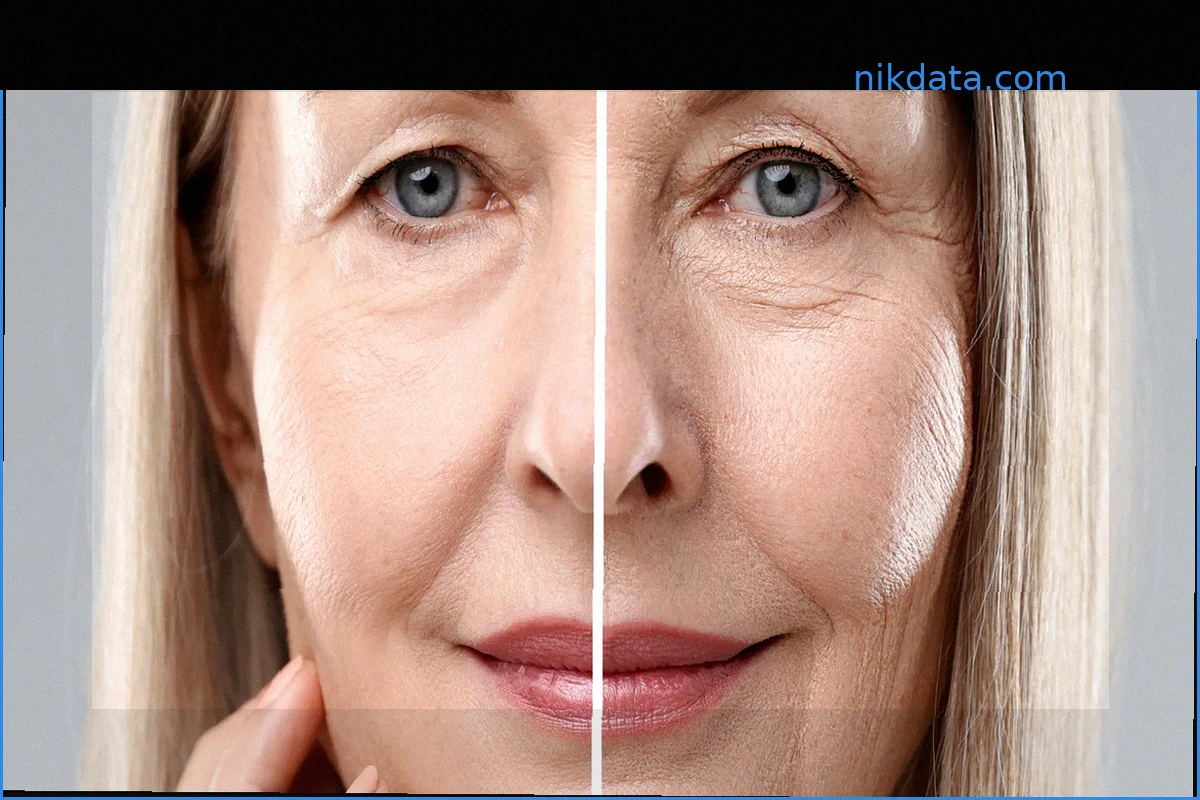
Dietary Changes May Reverse Biological Age in Older Adults Within 4 Weeks
Significant shifts in biological age markers are achievable for older adults in a remarkably short period, driven solely by dietary modifications. New findings from the University of Sydney indicate that Australians aged 65 to 75 who reduced either dietary fat or animal-based protein displayed

UV Light Reveals Possible Camouflage on 125-Million-Year-Old Crocodile Fossil
A remarkably preserved fossil from northeastern Spain offers a rare glimpse into the skin, soft tissues, and potential coloration of an ancient crocodile relative that lived approximately 125 million years ago. This new research, detailed in the Zoological Journal of the Linnean Society,

The Einstein Problem's Shape Reveals New Physics Through Light Patterns
A mathematical shape, famous for solving a decades-old puzzle, is now showing an unexpected link to physics. Structures based on this shape can make light form unusual chiral patterns, opening new avenues for studying how geometry affects optical behavior. Researchers from the Institute of

Screen Time's Unexpected Link to Kids' Cognitive Skills
A Finnish study has uncovered an unexpected correlation between screen usage and cognitive capabilities. Children who spent more time in front of screens as they grew tended to exhibit enhanced cognitive processing during their adolescent years. One of the lead researchers advises agai

Tiny Fossils Reveal Secrets of Complex Life's Origin
While the hunt for life on Mars or distant icy moons often grabs headlines, a profound mystery about the emergence of complex life is unfolding much closer to home. Scientists are diligently working to pinpoint when the first eukaryotes appeared on Earth and how these pivotal organisms paved