Micro-Implant, Smaller Than a Grain of Salt, Wirelessly Reads Brain Activity
Researchers at Cornell University, in collaboration with other institutions, have successfully created an incredibly small neural implant. This device, no bigger than a grain of salt, has demonstrated the ability to wirelessly transmit brain activity data from living animals for more than a year.
This groundbreaking advancement, detailed in Nature Electronics, highlights the impressive potential of microelectronic systems operating at an exceptionally tiny scale. The innovation could unlock new possibilities for brain monitoring, integrated biosensors, and various other medical and technological applications.
Introducing the MOTE Device
Known as a microscale optoelectronic tetherless electrode, or MOTE, the device's development was spearheaded by Alyosha Molnar, a professor in Electrical and Computer Engineering at Cornell, alongside Sunwoo Lee, an assistant professor at Nanyang Technological University. Lee initiated work on this technology during his postdoctoral research period in Molnar's laboratory.
How the Implant Transmits Brain Signals Using Light
The MOTE operates by utilizing red and infrared laser beams, which are capable of safely passing through brain tissue. It communicates data by emitting minute pulses of infrared light, which effectively encode the electrical signals originating from the brain.
At the core of the MOTE device is a semiconductor diode crafted from aluminum gallium arsenide. This crucial component serves a dual purpose: it captures incoming light to power the system and also emits light to facilitate data transmission. Furthermore, the implant integrates a low-noise amplifier and an optical encoder, both constructed using the same type of semiconductor technology prevalent in everyday microchips.
The implant itself measures approximately 300 microns in length and 70 microns in width, making it exceptionally compact.
"As far as we know, this represents the smallest neural implant capable of both measuring electrical activity in the brain and reporting it wirelessly," commented Molnar. "By employing pulse position modulation for the communication code — identical to the code used in optical communications for satellites, for instance — we can utilize minimal power for communication while still successfully retrieving the optical data."
Future Prospects for Brain and Body Monitoring
Molnar suggested that the specific materials used in the MOTE could potentially enable researchers to record brain activity during MRI scans, a feat largely unachievable with current implant technologies. This innovative technology might also be adapted for use in other parts of the body, including the spinal cord, and could eventually be combined with future advancements such as opto-electronics embedded within artificial skull plates.
Fresh materials — Science news

GLP-1 Medications in Children Linked to Nutritional Deficiencies
Children prescribed GLP-1 medications for weight loss, prediabetes, or type 2 diabetes may face a significant nutritional risk. A study published in Childhood Obesity identified that almost 17% of young patients (16.8%) were diagnosed with a nutritional deficiency within their first year of tr
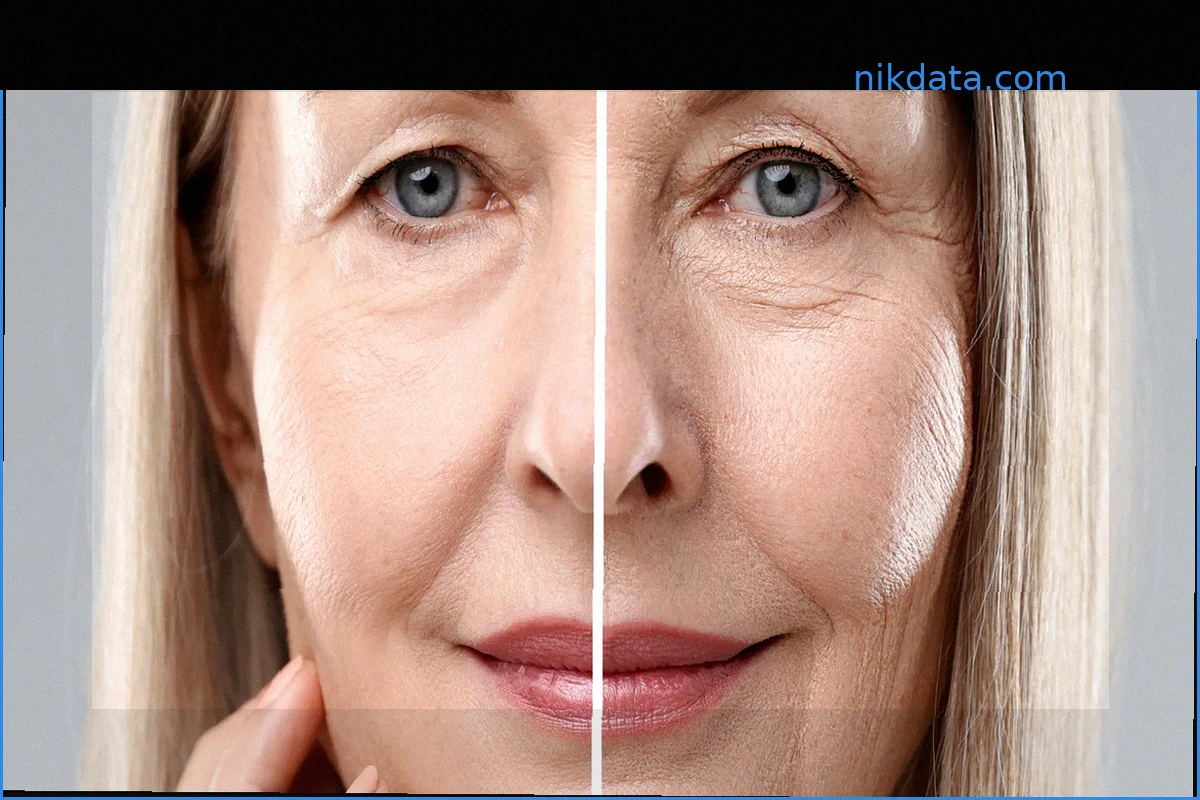
Dietary Changes May Reverse Biological Age in Older Adults Within 4 Weeks
Significant shifts in biological age markers are achievable for older adults in a remarkably short period, driven solely by dietary modifications. New findings from the University of Sydney indicate that Australians aged 65 to 75 who reduced either dietary fat or animal-based protein displayed
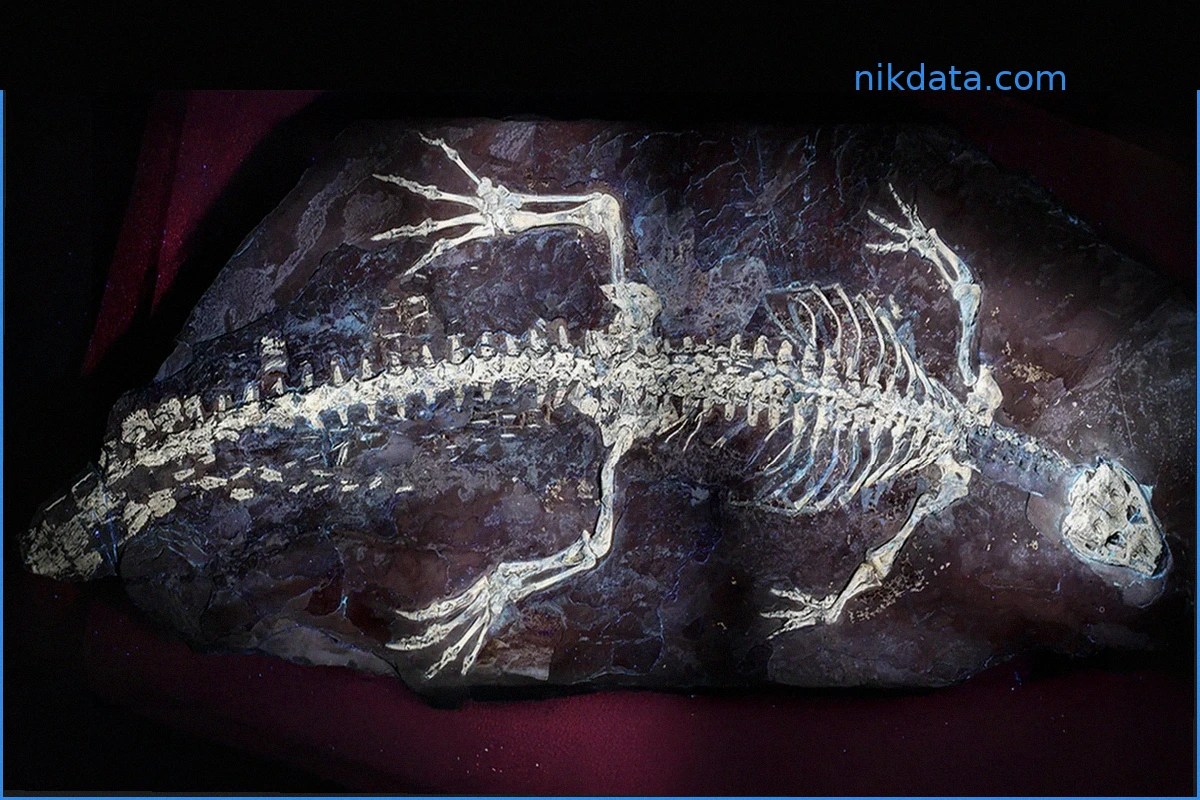
UV Light Reveals Possible Camouflage on 125-Million-Year-Old Crocodile Fossil
A remarkably preserved fossil from northeastern Spain offers a rare glimpse into the skin, soft tissues, and potential coloration of an ancient crocodile relative that lived approximately 125 million years ago. This new research, detailed in the Zoological Journal of the Linnean Society,
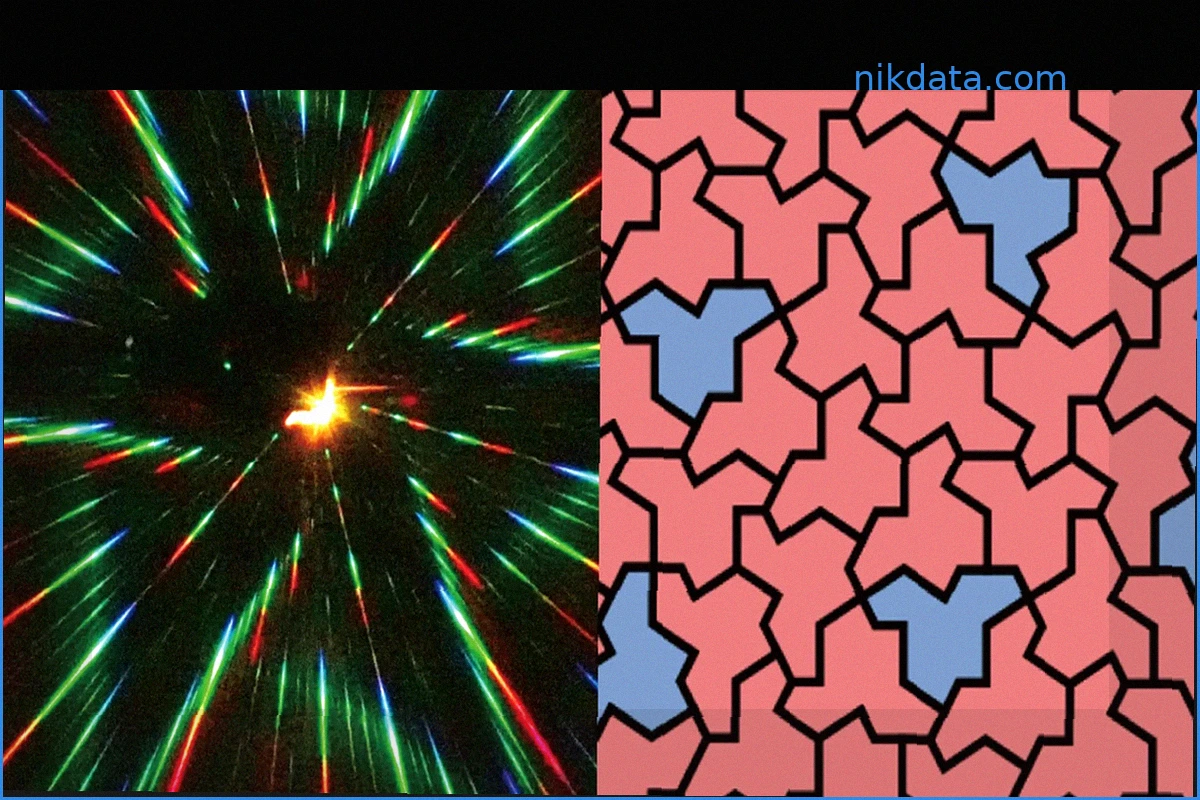
The Einstein Problem's Shape Reveals New Physics Through Light Patterns
A mathematical shape, famous for solving a decades-old puzzle, is now showing an unexpected link to physics. Structures based on this shape can make light form unusual chiral patterns, opening new avenues for studying how geometry affects optical behavior. Researchers from the Institute of
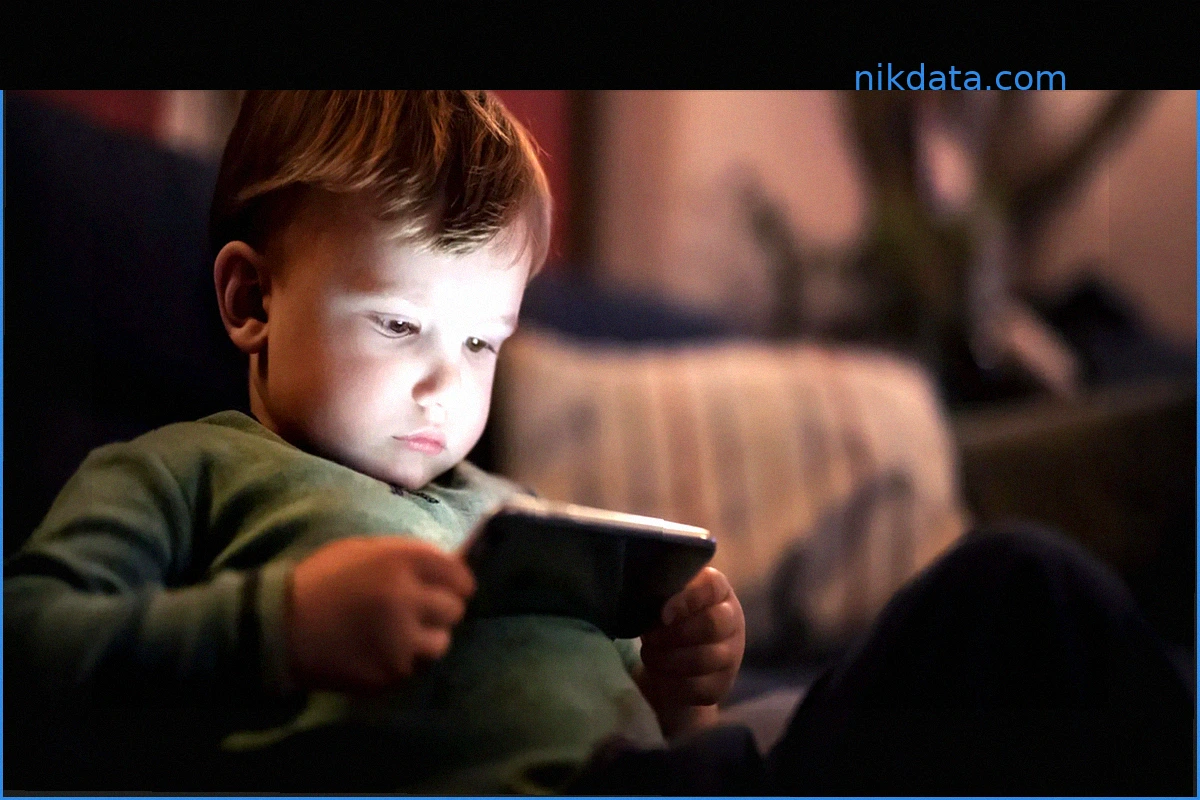
Screen Time's Unexpected Link to Kids' Cognitive Skills
A Finnish study has uncovered an unexpected correlation between screen usage and cognitive capabilities. Children who spent more time in front of screens as they grew tended to exhibit enhanced cognitive processing during their adolescent years. One of the lead researchers advises agai
Tiny Fossils Reveal Secrets of Complex Life's Origin
While the hunt for life on Mars or distant icy moons often grabs headlines, a profound mystery about the emergence of complex life is unfolding much closer to home. Scientists are diligently working to pinpoint when the first eukaryotes appeared on Earth and how these pivotal organisms paved