NAD+ Potential: Slowing Aging, Fighting Alzheimer's & Parkinson's – Latest Research
A new expert review, authored by over 25 scientists including clinicians and leading experts in aging biology and metabolism, highlights the growing global interest in nicotinamide adenine dinucleotide (NAD+). This comprehensive paper brings together diverse insights to explore how this vital molecule might support healthier aging and offer protection against conditions such as Alzheimer's and Parkinson's disease.
Often referred to as a cell's 'fuel regulator,' NAD+ is fundamental to cellular energy production, DNA repair, and overall cell function. However, its levels naturally decline with age, a phenomenon linked to cognitive issues, reduced physical strength, and an increased risk of age-related illnesses.
One of the lead authors stated that optimizing NAD+ metabolism shows promise for delaying age-related health decline and mitigating diseases associated with premature aging. However, they stressed the importance of understanding appropriate dosages, long-term safety, and individual responses to NAD+ boosting strategies to fully harness its potential.
Research spanning years of laboratory work and early clinical studies investigating methods to elevate NAD+ levels were examined in the review. Many of these approaches involve vitamin-like compounds known as NAD+ precursors, such as nicotinamide riboside (NR) and nicotinamide mononucleotide (NMN). Initial findings are encouraging, with some trials reporting improvements in memory, physical mobility, and metabolic well-being. Nevertheless, researchers emphasize the necessity of larger and more extended patient studies to confirm the efficacy of these interventions across different diseases.
This publication emerges amidst increasing scientific and public fascination with NAD+ therapies. Clinical trials are currently underway globally to test NAD+ precursors, while these compounds have also entered a rapidly expanding supplement market. This has sparked discussions regarding the most effective options and whether findings from animal studies will translate effectively to human health.
A senior author and head of one of the contributing laboratories commented on the timely nature of this expert opinion, noting that while NAD+ is essential for life, there remains considerable confusion and debate regarding the best supplements and their proper use. The article aims to consolidate existing evidence and provide a scientific roadmap for ongoing research and future clinical applications.
Another co-author highlighted a knowledge gap among basic researchers and clinicians regarding NAD+ and its clinical effects. This review serves to offer the latest expert perspective to those engaged in NAD+ research and will provide valuable information for numerous NAD+-based clinical trials across a wide spectrum of conditions, including neurological and cardiovascular diseases.
The authors conclude by underscoring that despite the widespread investigation into NAD+-based supplements and therapies, enhanced collaboration and more rigorous clinical testing are crucial. These steps are vital for transforming initial findings into safe and effective treatments for aging and age-related diseases.
Fresh materials — Science news

GLP-1 Medications in Children Linked to Nutritional Deficiencies
Children prescribed GLP-1 medications for weight loss, prediabetes, or type 2 diabetes may face a significant nutritional risk. A study published in Childhood Obesity identified that almost 17% of young patients (16.8%) were diagnosed with a nutritional deficiency within their first year of tr
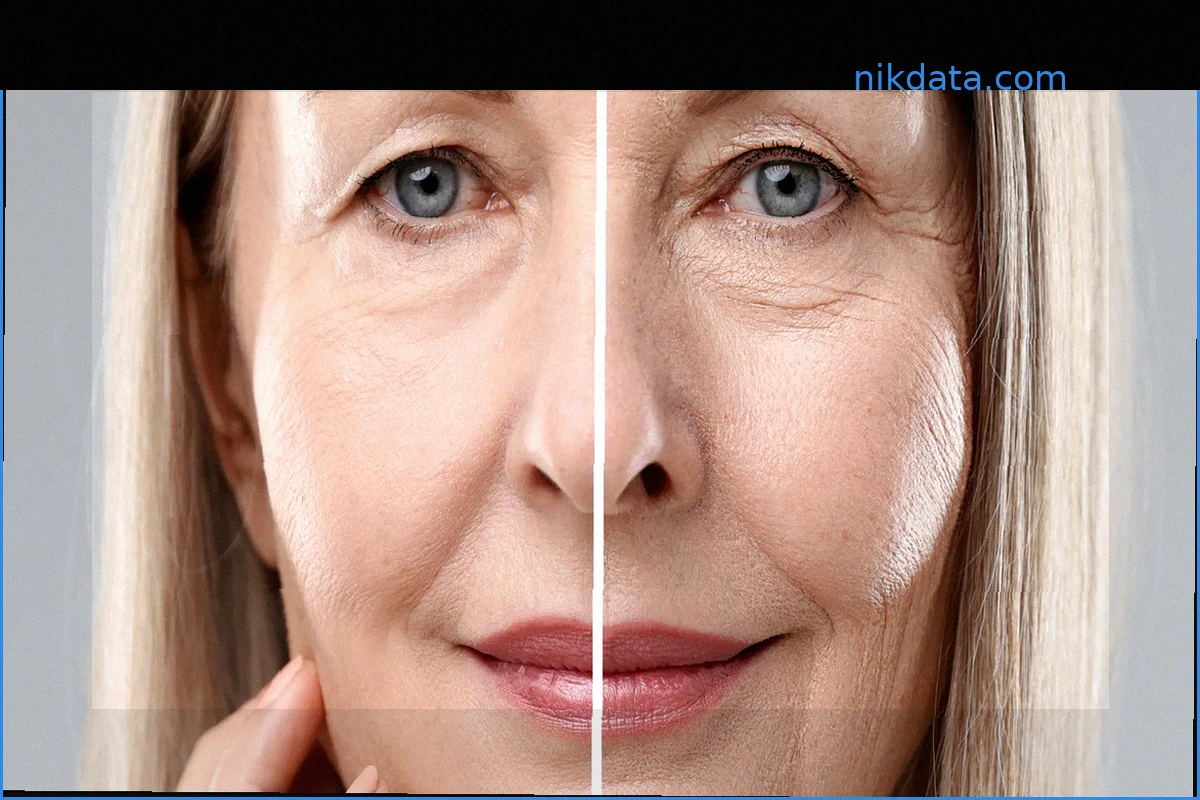
Dietary Changes May Reverse Biological Age in Older Adults Within 4 Weeks
Significant shifts in biological age markers are achievable for older adults in a remarkably short period, driven solely by dietary modifications. New findings from the University of Sydney indicate that Australians aged 65 to 75 who reduced either dietary fat or animal-based protein displayed
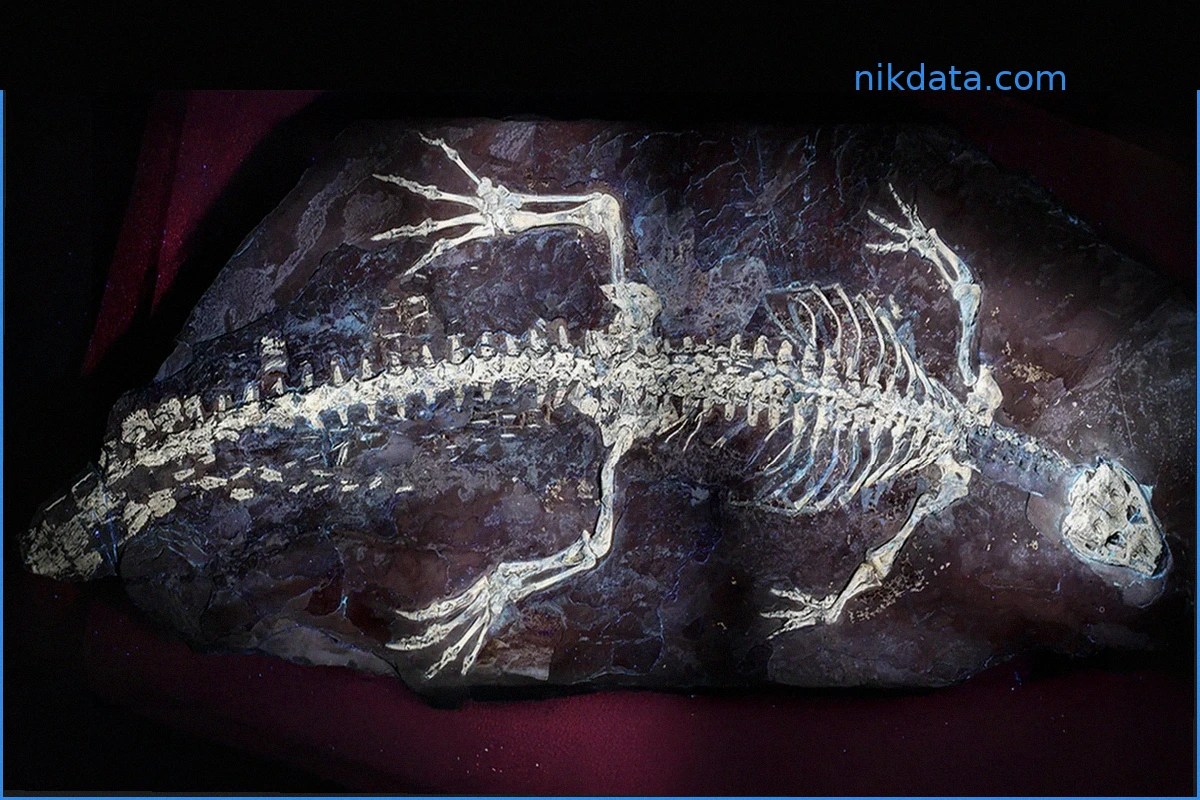
UV Light Reveals Possible Camouflage on 125-Million-Year-Old Crocodile Fossil
A remarkably preserved fossil from northeastern Spain offers a rare glimpse into the skin, soft tissues, and potential coloration of an ancient crocodile relative that lived approximately 125 million years ago. This new research, detailed in the Zoological Journal of the Linnean Society,
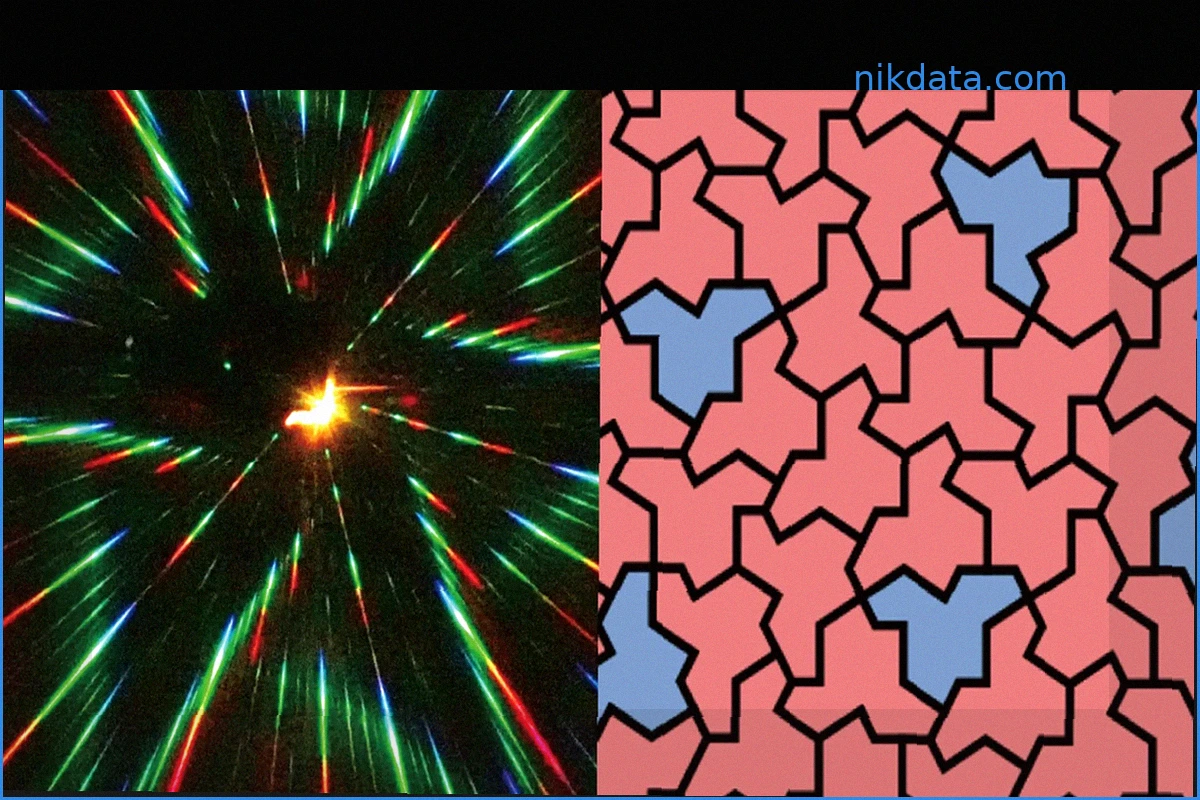
The Einstein Problem's Shape Reveals New Physics Through Light Patterns
A mathematical shape, famous for solving a decades-old puzzle, is now showing an unexpected link to physics. Structures based on this shape can make light form unusual chiral patterns, opening new avenues for studying how geometry affects optical behavior. Researchers from the Institute of

Screen Time's Unexpected Link to Kids' Cognitive Skills
A Finnish study has uncovered an unexpected correlation between screen usage and cognitive capabilities. Children who spent more time in front of screens as they grew tended to exhibit enhanced cognitive processing during their adolescent years. One of the lead researchers advises agai
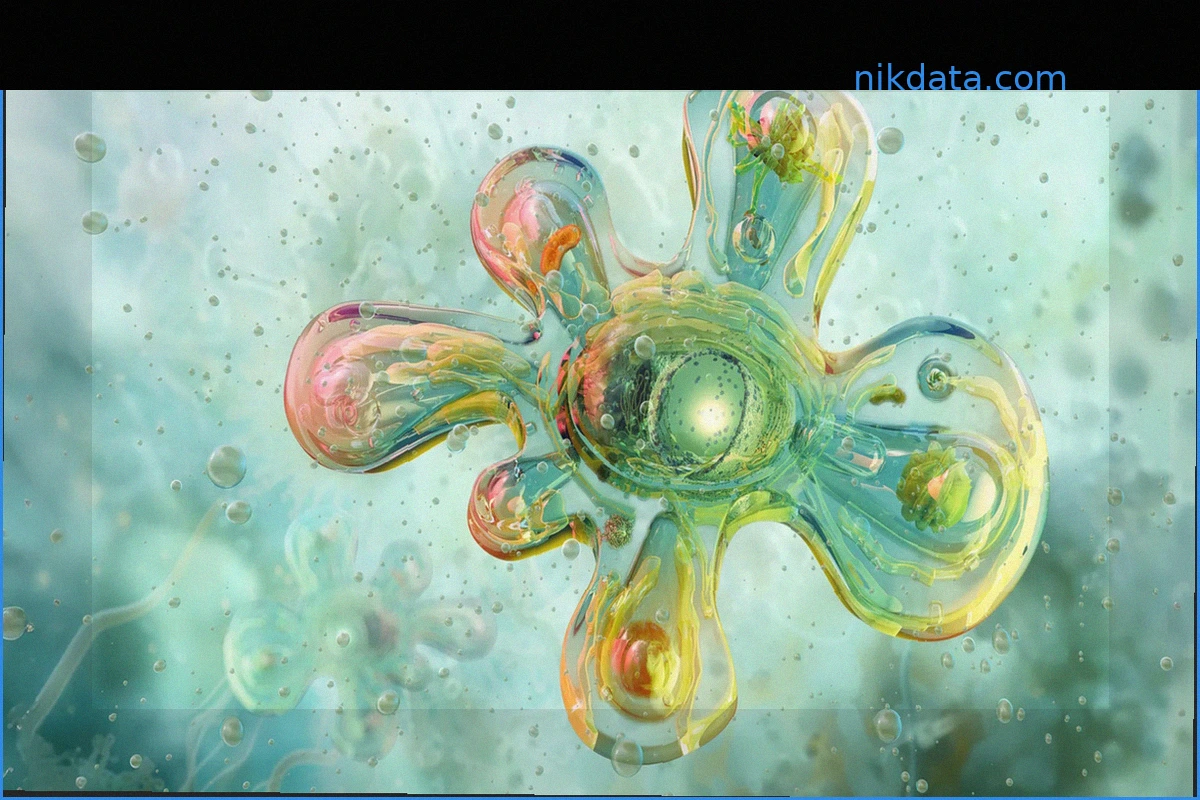
Tiny Fossils Reveal Secrets of Complex Life's Origin
While the hunt for life on Mars or distant icy moons often grabs headlines, a profound mystery about the emergence of complex life is unfolding much closer to home. Scientists are diligently working to pinpoint when the first eukaryotes appeared on Earth and how these pivotal organisms paved