Scientists just solved a major mystery about how your brain stores memories
To form functional memories, the brain needs to associate an event with its surrounding circumstances. Scientists at the University of Bonn have recently discovered the intricate mechanism by which the human brain accomplishes this. Their study reveals that memories are formed through the coordinated action of two separate neural populations: one dedicated to storing the memory's content and another for its context. Rather than merging these details within single cells, the brain maintains them distinctly, only connecting them when memory retrieval is required. These significant findings were published in Nature.
Humans possess a remarkable capacity to identify individuals or objects across diverse scenarios. For instance, distinguishing between a casual dinner with a friend and a formal business meeting with the same individual is effortless. Professor Florian Mormann, a lead researcher from the University of Bonn, notes, "We're aware that 'concept neurons' within the brain's memory regions respond specifically to a person, irrespective of the setting."
Simultaneously, the brain must integrate this content with its associated context to construct a coherent memory. While rodent studies suggest individual neurons frequently combine both content and context information, Dr. Marcel Bausch, another key researcher from the University of Bonn, questioned whether the human brain operates differently. "We explored if the human brain maps content and context separately for greater memory flexibility, and how these distinct pieces of information connect during context-dependent recall," he explained.
Watching Brain Activity in Real Time
To investigate these hypotheses, the team recorded electrical activity from individual neurons in patients suffering from drug-resistant epilepsy. These patients had already undergone electrode implantation in memory-critical areas like the hippocampus for clinical evaluation. During their seizure monitoring, they voluntarily participated in computer-based cognitive tasks.
In these experiments, participants observed pairs of images and responded to various questions about them. For example, they might be asked, "Bigger?" in relation to an object to assess its size. "This method enabled us to observe how the brain processes identical images within diverse task contexts," Mormann stated.
Two Distinct Neuron Systems for Memory
Analyzing the activity of over 3,000 neurons, the researchers identified two largely distinct categories. "Content neurons" reacted specifically to images, like a biscuit, independent of the task. Conversely, "context neurons" responded to the nature of the question (e.g., "Bigger?"), irrespective of the image displayed. This finding significantly differed from rodent studies, where very few neurons performed both functions simultaneously.
Bausch highlighted a crucial discovery: "These two independent sets of neurons encoded content and context together most effectively and reliably when patients performed the task accurately."
How the Brain Rebuilds Memories From Clues
Over the course of the experiment, the communication between these neural groups intensified. The activity of a content neuron would begin to predict the response of a context neuron merely tens of milliseconds afterward. Mormann described this phenomenon, saying, "It appeared as though the neuron responding to 'biscuit' was learning to activate the neuron associated with 'Bigger?'."
This intricate interaction functions as a control mechanism, ensuring that only the pertinent context is retrieved during memory recall. This process, termed pattern completion, enables the brain to reconstruct a complete memory even from partial information. The researchers suggest that this functional segregation clarifies the remarkable adaptability of human memory. By housing content and context in distinct "neural libraries," the brain can flexibly apply existing knowledge across numerous scenarios, negating the need for a dedicated neuron for every conceivable combination.
Bausch affirmed, "This division of labor likely underpins the flexibility of human memory: the brain can reuse a concept in countless new situations without requiring a specialized neuron for each combination, by maintaining separate 'neural libraries' for content and context." Mormann further elaborated, "The spontaneous linking capability of these neuronal groups permits us to generalize information while still retaining the specific nuances of individual experiences."
What Comes Next for Memory Research
In this research, context was limited to on-screen questions. However, real-world contexts often involve passive environmental factors. Future studies will need to investigate if the brain processes these everyday, passive contexts similarly. Researchers also intend to explore these mechanisms beyond clinical environments.
A critical next phase involves exploring the consequences of intentionally disrupting the interaction between these neuronal groups. Such investigations could illuminate whether interference impacts an individual's capacity to accurately recall memories within their correct context or to make precise decisions.
Fresh materials — Science news
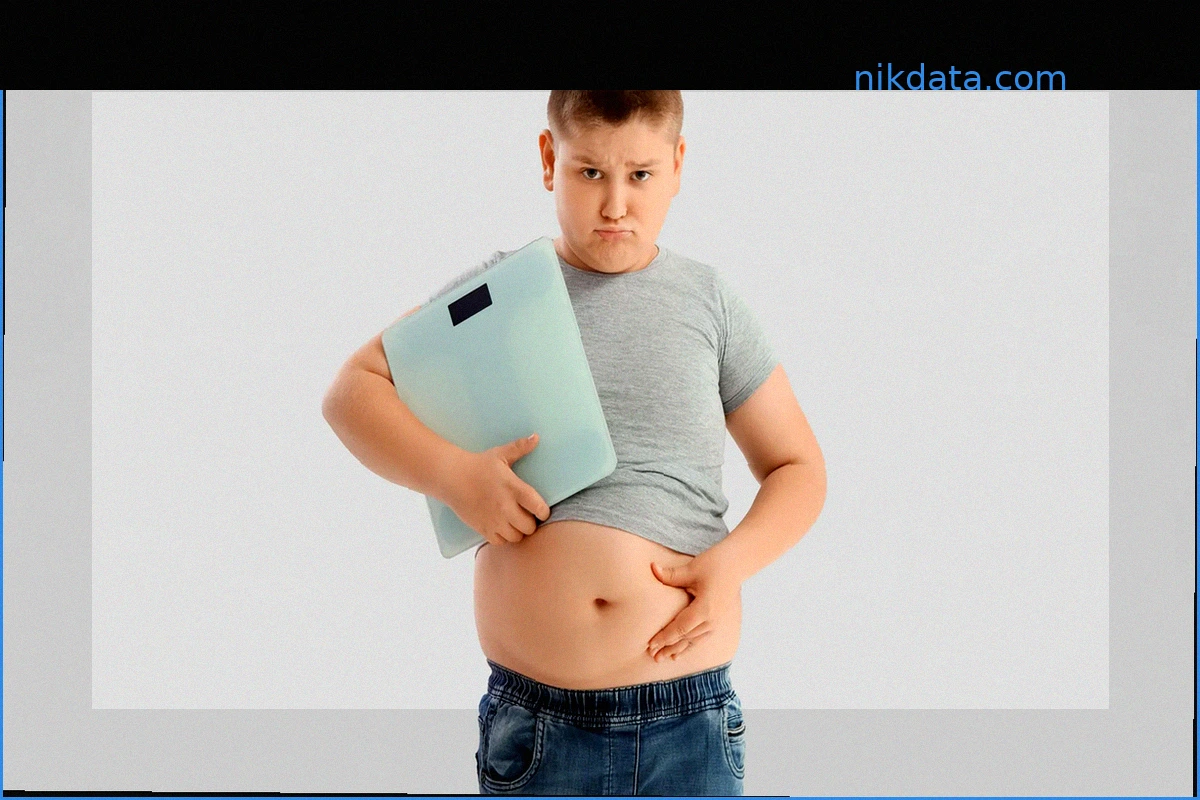
GLP-1 Medications in Children Linked to Nutritional Deficiencies
Children prescribed GLP-1 medications for weight loss, prediabetes, or type 2 diabetes may face a significant nutritional risk. A study published in Childhood Obesity identified that almost 17% of young patients (16.8%) were diagnosed with a nutritional deficiency within their first year of tr
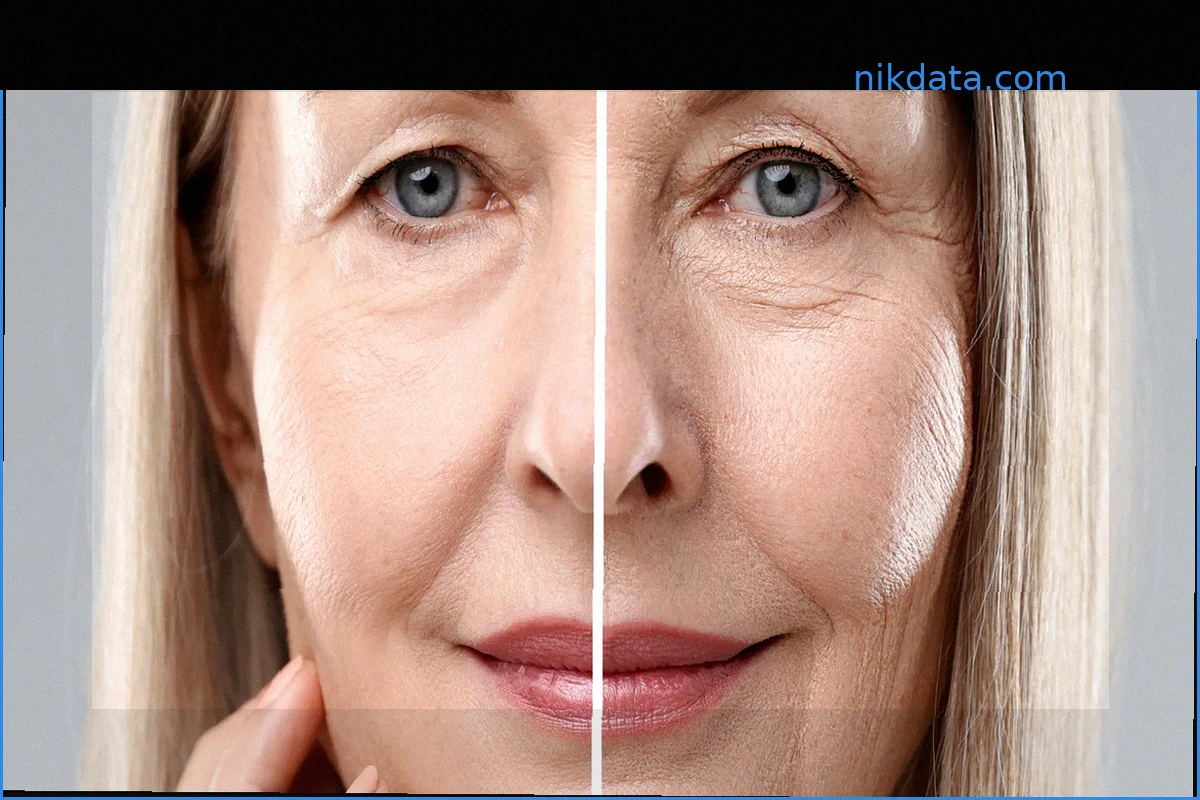
Dietary Changes May Reverse Biological Age in Older Adults Within 4 Weeks
Significant shifts in biological age markers are achievable for older adults in a remarkably short period, driven solely by dietary modifications. New findings from the University of Sydney indicate that Australians aged 65 to 75 who reduced either dietary fat or animal-based protein displayed
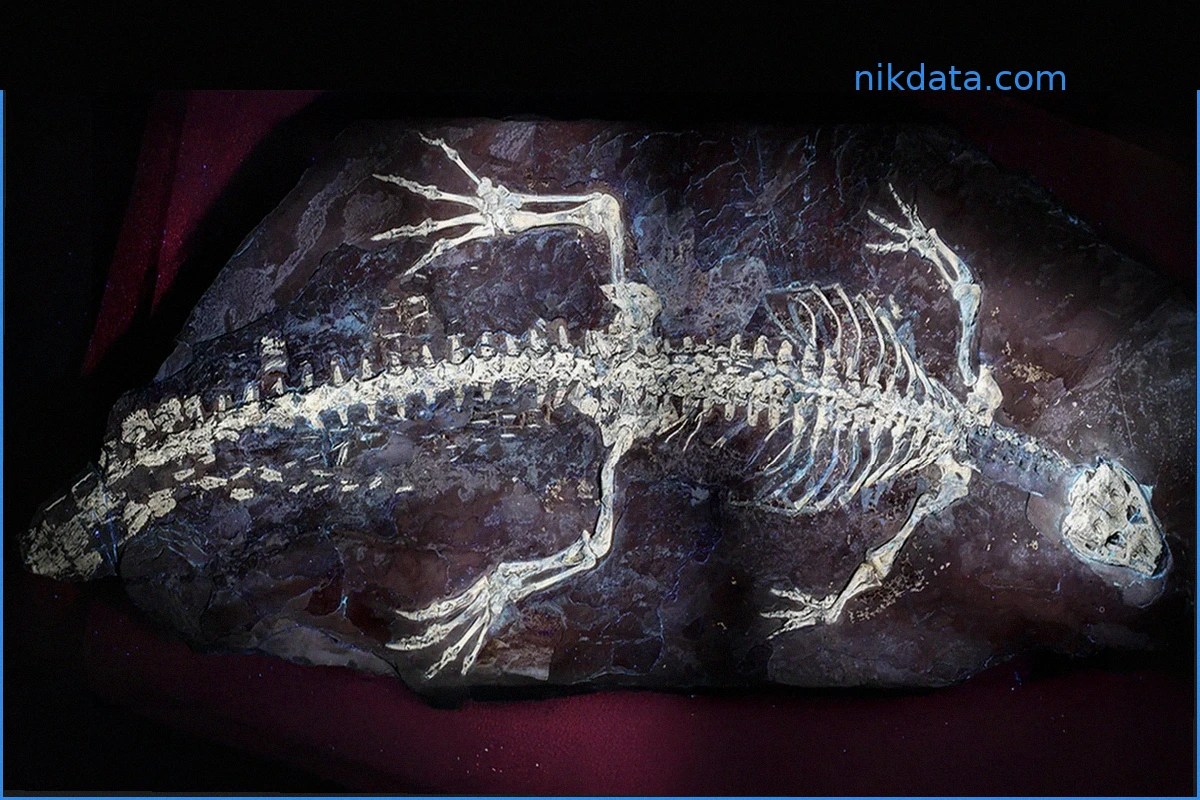
UV Light Reveals Possible Camouflage on 125-Million-Year-Old Crocodile Fossil
A remarkably preserved fossil from northeastern Spain offers a rare glimpse into the skin, soft tissues, and potential coloration of an ancient crocodile relative that lived approximately 125 million years ago. This new research, detailed in the Zoological Journal of the Linnean Society,
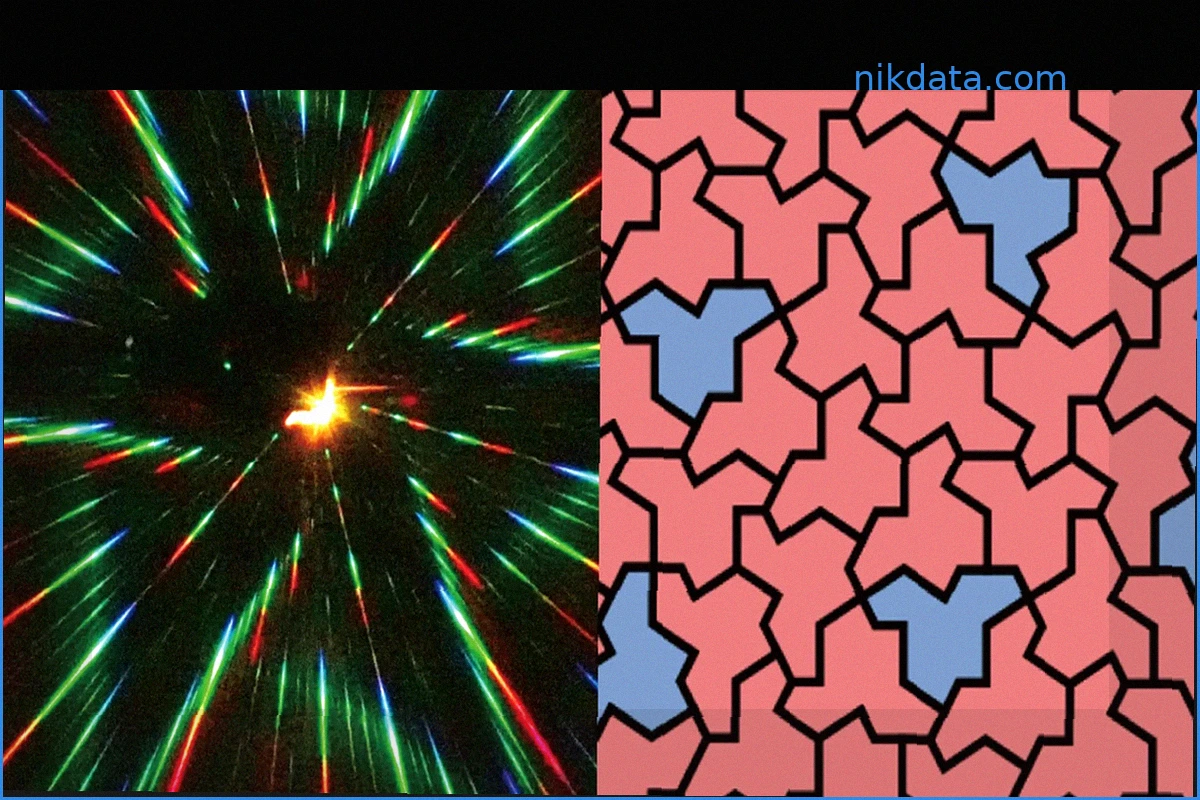
The Einstein Problem's Shape Reveals New Physics Through Light Patterns
A mathematical shape, famous for solving a decades-old puzzle, is now showing an unexpected link to physics. Structures based on this shape can make light form unusual chiral patterns, opening new avenues for studying how geometry affects optical behavior. Researchers from the Institute of
Screen Time's Unexpected Link to Kids' Cognitive Skills
A Finnish study has uncovered an unexpected correlation between screen usage and cognitive capabilities. Children who spent more time in front of screens as they grew tended to exhibit enhanced cognitive processing during their adolescent years. One of the lead researchers advises agai
Tiny Fossils Reveal Secrets of Complex Life's Origin
While the hunt for life on Mars or distant icy moons often grabs headlines, a profound mystery about the emergence of complex life is unfolding much closer to home. Scientists are diligently working to pinpoint when the first eukaryotes appeared on Earth and how these pivotal organisms paved