The Brain's Role in Unlocking Autism Mysteries: A Hidden Opportunity
A recent survey has highlighted a significant gap in public understanding regarding autism research. While there's broad consensus on the necessity of studying the autistic brain, a surprising number of people are unaware of the critical role brain donation plays after death in enabling this research. This process is distinct from organ donation, and considerable confusion persists regarding its mechanics, timing, and eligibility criteria.
Brain Donation: An Essential, Yet Overlooked, Component of Autism Research
Despite the general agreement on the importance of investigating the autistic brain, public knowledge about the practicalities of brain donation remains surprisingly limited. This disconnect is concerning, as brain donation is a cornerstone of advanced autism research, offering unparalleled insights into the neurological underpinnings of the condition. Unlike organ donation, which focuses on immediate transplantation, brain donation is a separate, post-mortem procedure designed to facilitate long-term scientific study.
The survey's findings point to widespread ambiguity surrounding various aspects of brain donation. Many individuals are unclear about the specific steps involved, the critical timeframe within which donation must be arranged, and who is eligible to participate. Addressing these knowledge gaps is paramount to ensuring that this vital research pathway can be fully utilized to advance our understanding and develop effective interventions for autism.
English Translation:
Your Brain Could Help Solve Autism, and Most People Don't Know It
A new survey reveals a striking disconnect in how Americans think about autism research. While nearly everyone agrees that studying the autistic brain is essential, most people are unaware that brain donation after death is a key part of making that research possible. Unlike organ donation, brain donation is a separate process, and widespread confusion remains about how it works, when it must occur, and who can participate.
Brain Donation: A Critical, Yet Misunderstood, Component of Autism Research
Recent survey data indicates a significant chasm in public awareness concerning autism research. Although the importance of examining the autistic brain is widely acknowledged, a substantial portion of the population is not cognizant of the pivotal role brain donation plays following an individual's passing. This process is distinct from organ donation, and considerable ambiguity persists regarding its operational procedures, the necessary timing, and the criteria for participation.
The survey's revelations underscore prevalent uncertainty surrounding various facets of brain donation. Many individuals lack clarity on the precise actions required, the critical window for arranging the donation, and the eligibility requirements for potential donors. Bridging these informational deficits is crucial to ensuring that this indispensable avenue for research can be fully leveraged to enhance our comprehension and foster the development of effective autism interventions.
Fresh materials — Science news

GLP-1 Medications in Children Linked to Nutritional Deficiencies
Children prescribed GLP-1 medications for weight loss, prediabetes, or type 2 diabetes may face a significant nutritional risk. A study published in Childhood Obesity identified that almost 17% of young patients (16.8%) were diagnosed with a nutritional deficiency within their first year of tr
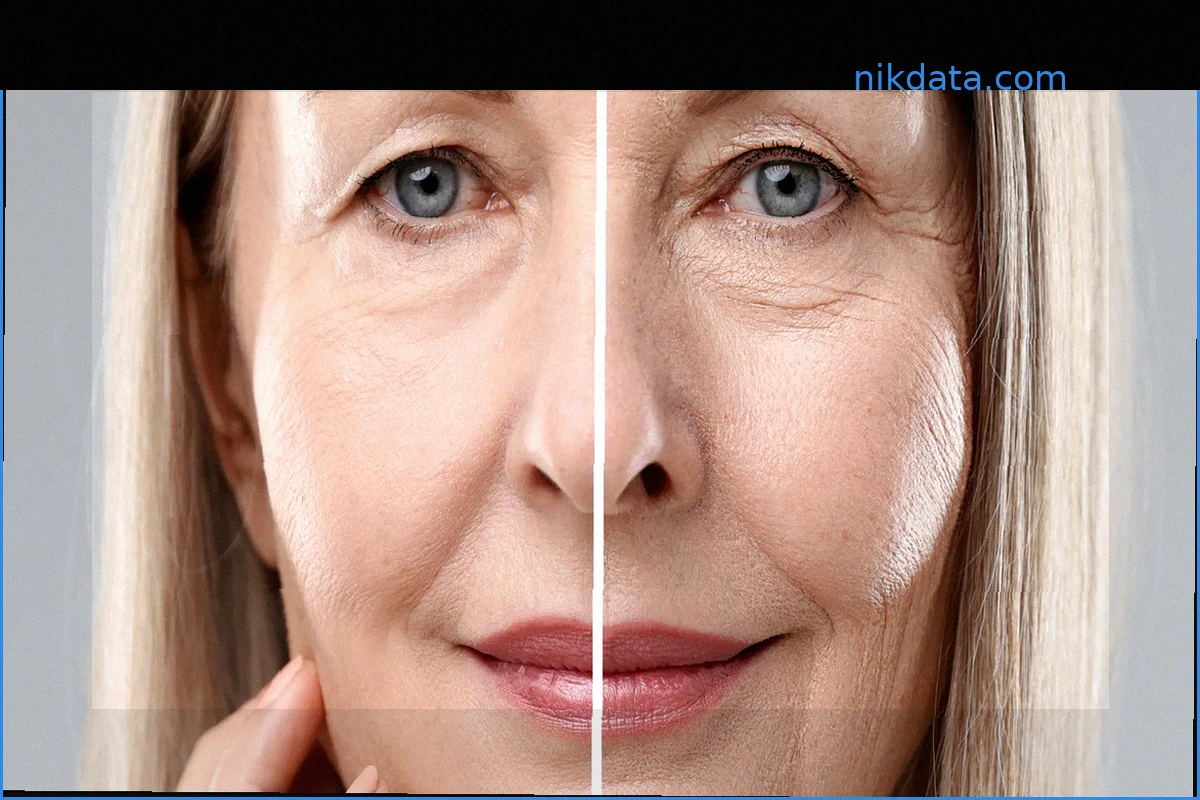
Dietary Changes May Reverse Biological Age in Older Adults Within 4 Weeks
Significant shifts in biological age markers are achievable for older adults in a remarkably short period, driven solely by dietary modifications. New findings from the University of Sydney indicate that Australians aged 65 to 75 who reduced either dietary fat or animal-based protein displayed
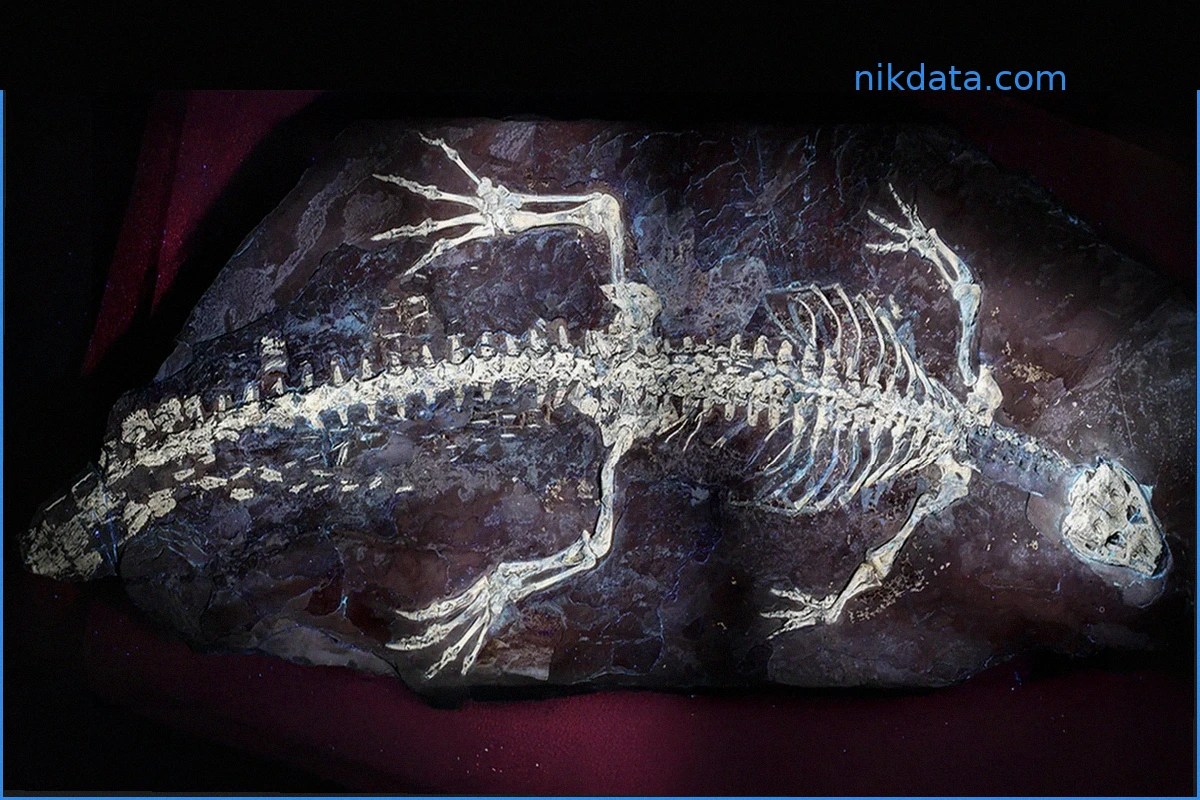
UV Light Reveals Possible Camouflage on 125-Million-Year-Old Crocodile Fossil
A remarkably preserved fossil from northeastern Spain offers a rare glimpse into the skin, soft tissues, and potential coloration of an ancient crocodile relative that lived approximately 125 million years ago. This new research, detailed in the Zoological Journal of the Linnean Society,
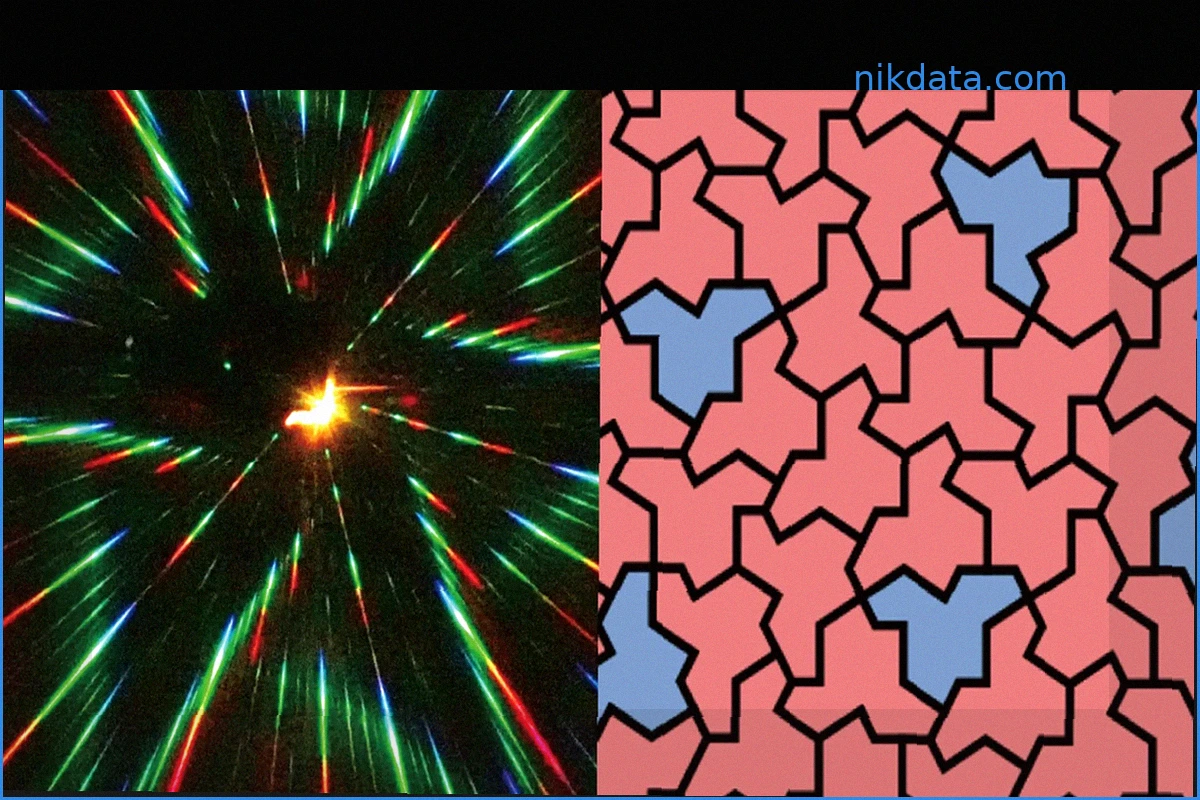
The Einstein Problem's Shape Reveals New Physics Through Light Patterns
A mathematical shape, famous for solving a decades-old puzzle, is now showing an unexpected link to physics. Structures based on this shape can make light form unusual chiral patterns, opening new avenues for studying how geometry affects optical behavior. Researchers from the Institute of

Screen Time's Unexpected Link to Kids' Cognitive Skills
A Finnish study has uncovered an unexpected correlation between screen usage and cognitive capabilities. Children who spent more time in front of screens as they grew tended to exhibit enhanced cognitive processing during their adolescent years. One of the lead researchers advises agai
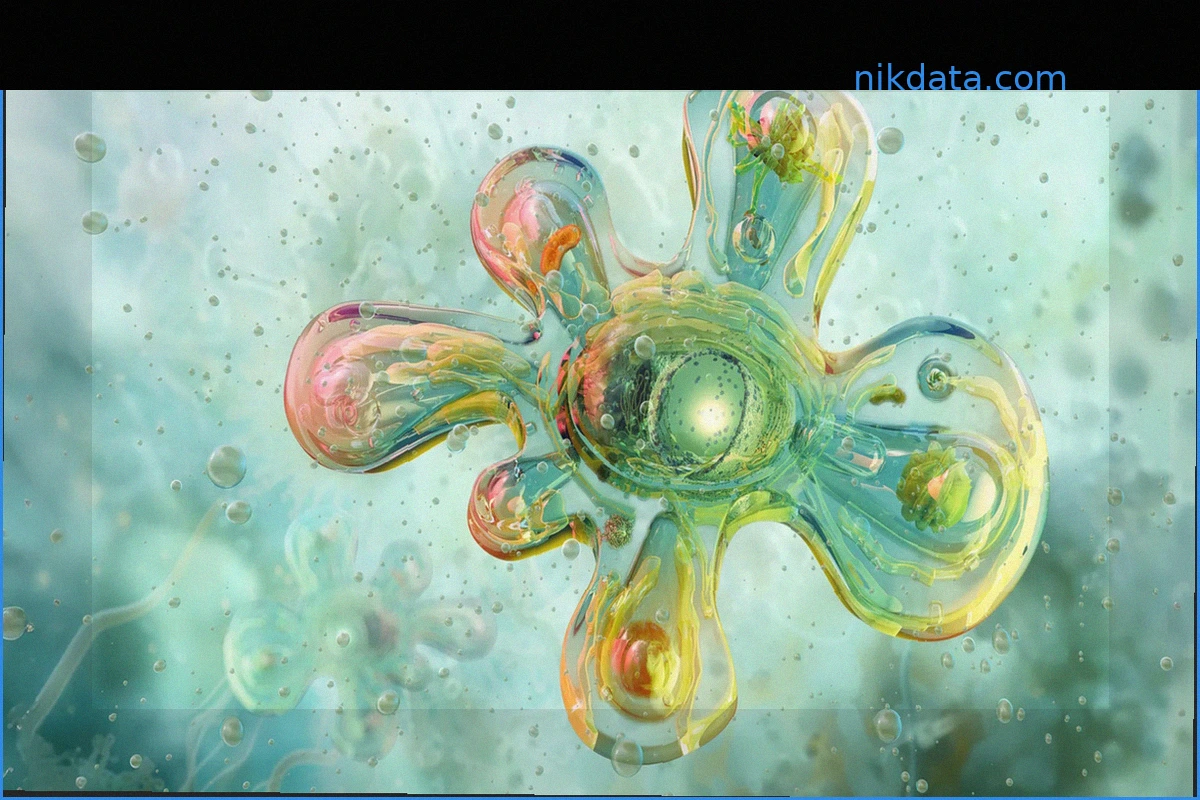
Tiny Fossils Reveal Secrets of Complex Life's Origin
While the hunt for life on Mars or distant icy moons often grabs headlines, a profound mystery about the emergence of complex life is unfolding much closer to home. Scientists are diligently working to pinpoint when the first eukaryotes appeared on Earth and how these pivotal organisms paved