Vitamin B3 Emerges as a Key Player in Fatty Liver Treatment
Metabolic-associated fatty liver disease (MASLD), a condition impacting roughly 30% of individuals globally, has long lacked effective and targeted therapeutic options. However, recent groundbreaking research has pinpointed a crucial genetic factor that exacerbates this condition. Even more surprisingly, the most effective strategy to target this factor appears to be a widely available and already approved treatment: vitamin B3 (niacin).
MicroRNA-93 Identified as a Central Regulator
An international research collaboration, led by Professor Jang Hyun Choi at UNIST, in conjunction with Professor Hwayoung Yun at Pusan National University and Professor Neung Hwa Park at Ulsan University Hospital, has pinpointed microRNA-93 (miR-93) as a pivotal regulator in MASLD. This discovery marks the first time this specific molecule has been clearly linked to the development and progression of the disease.
How miR-93 Disrupts Liver Function
MiR-93 is a tiny RNA molecule found within liver cells that controls the activity of certain genes. Researchers observed unusually high levels of miR-93 in both human patients with fatty liver disease and in animal models. Their analysis revealed that elevated miR-93 promotes fat accumulation, inflammation, and scarring in the liver by suppressing SIRT1, a vital gene involved in managing fat metabolism inside liver cells.
To further understand its functional role, the team utilized gene editing techniques to halt miR-93 production in mice. These genetically modified animals exhibited significantly less fat accumulation in the liver, alongside improved insulin sensitivity and enhanced overall liver function. Conversely, mice engineered to produce excessive amounts of miR-93 developed more severe metabolic issues within their livers.
Vitamin B3 Shows Promise as a Therapeutic Agent
Following these insights, the researchers screened 150 FDA-approved drugs to identify any that could reduce miR-93 levels. Niacin, also known as vitamin B3, emerged as the most effective candidate. In mice treated with niacin, miR-93 levels sharply declined, while SIRT1 activity increased. This favorable shift helped to restore normal fat-processing pathways in the liver and improved the overall balance of lipids.
The research team emphasized, "This study precisely elucidates the molecular origin of MASLD and demonstrates the potential for repurposing an already approved vitamin compound to modulate this pathway, which has high translational clinical relevance." They further added, "Given that niacin is a well-established and safe medication used to treat hyperlipidemia, it holds promise as a candidate for combination therapies targeting miRNA pathways in MASLD."
Fresh materials — Science news

GLP-1 Medications in Children Linked to Nutritional Deficiencies
Children prescribed GLP-1 medications for weight loss, prediabetes, or type 2 diabetes may face a significant nutritional risk. A study published in Childhood Obesity identified that almost 17% of young patients (16.8%) were diagnosed with a nutritional deficiency within their first year of tr
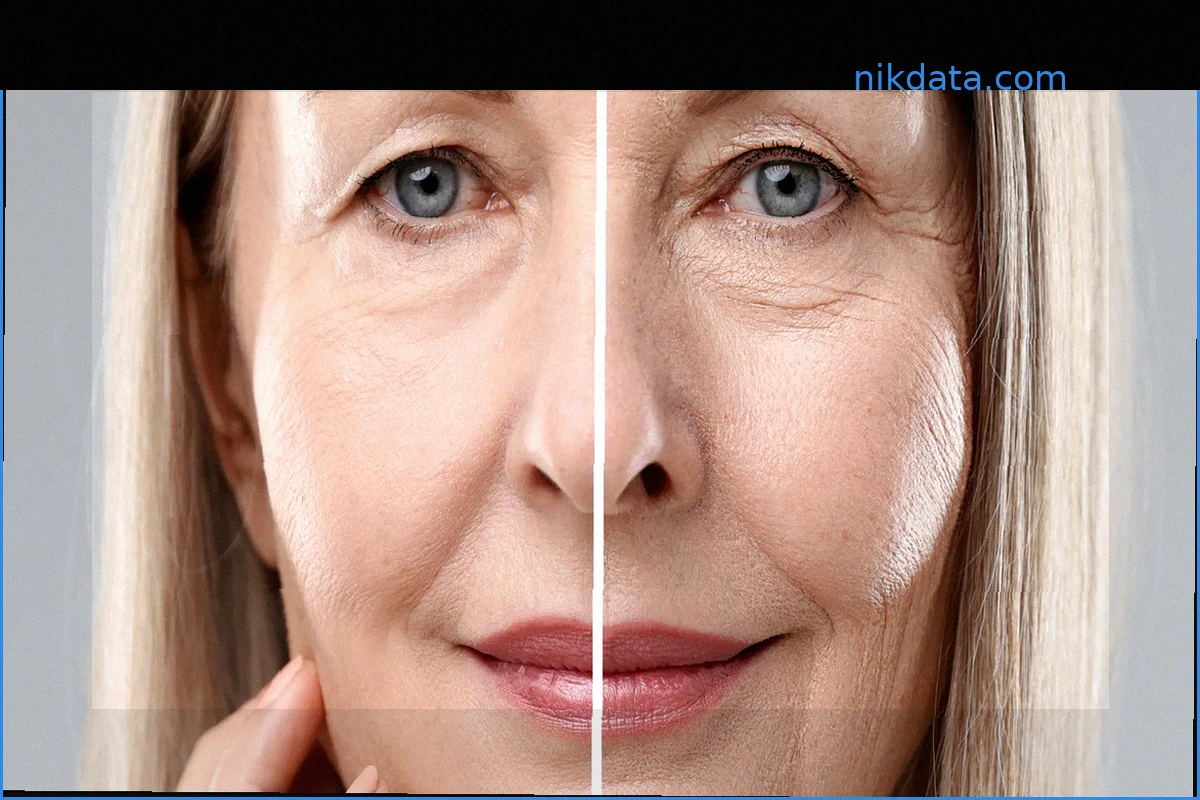
Dietary Changes May Reverse Biological Age in Older Adults Within 4 Weeks
Significant shifts in biological age markers are achievable for older adults in a remarkably short period, driven solely by dietary modifications. New findings from the University of Sydney indicate that Australians aged 65 to 75 who reduced either dietary fat or animal-based protein displayed
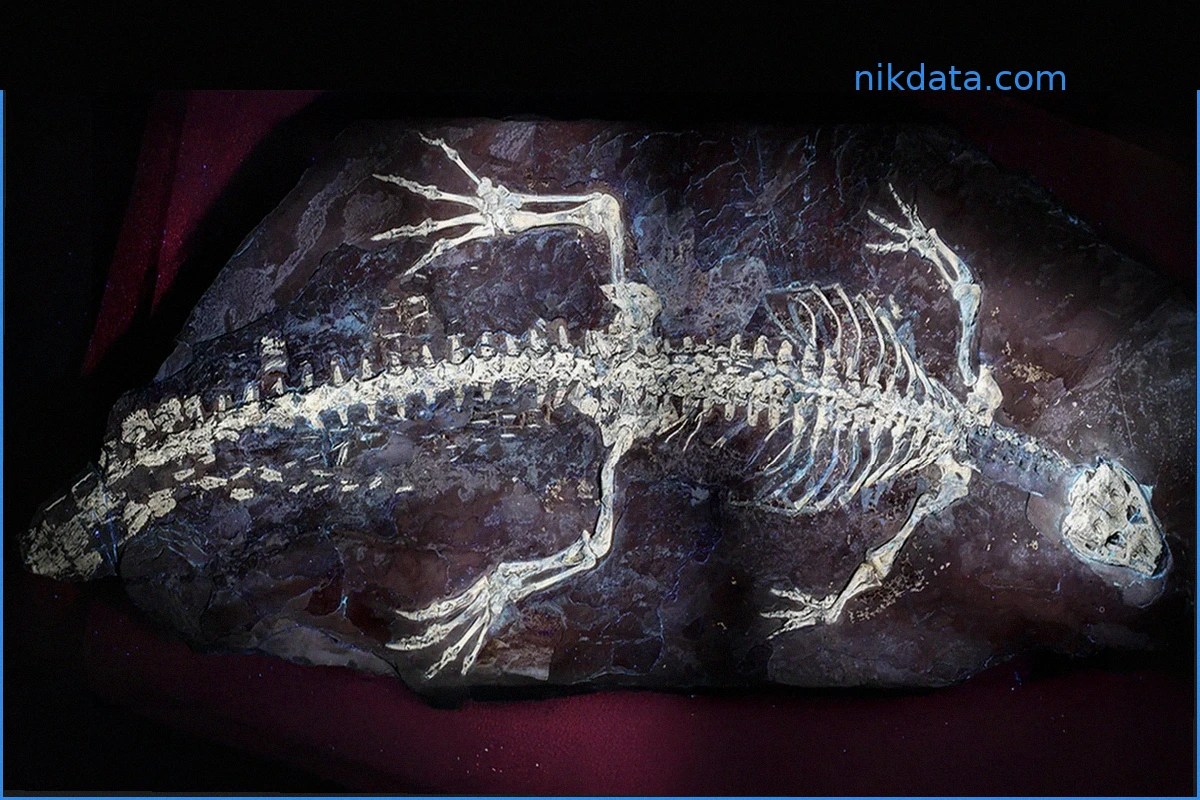
UV Light Reveals Possible Camouflage on 125-Million-Year-Old Crocodile Fossil
A remarkably preserved fossil from northeastern Spain offers a rare glimpse into the skin, soft tissues, and potential coloration of an ancient crocodile relative that lived approximately 125 million years ago. This new research, detailed in the Zoological Journal of the Linnean Society,
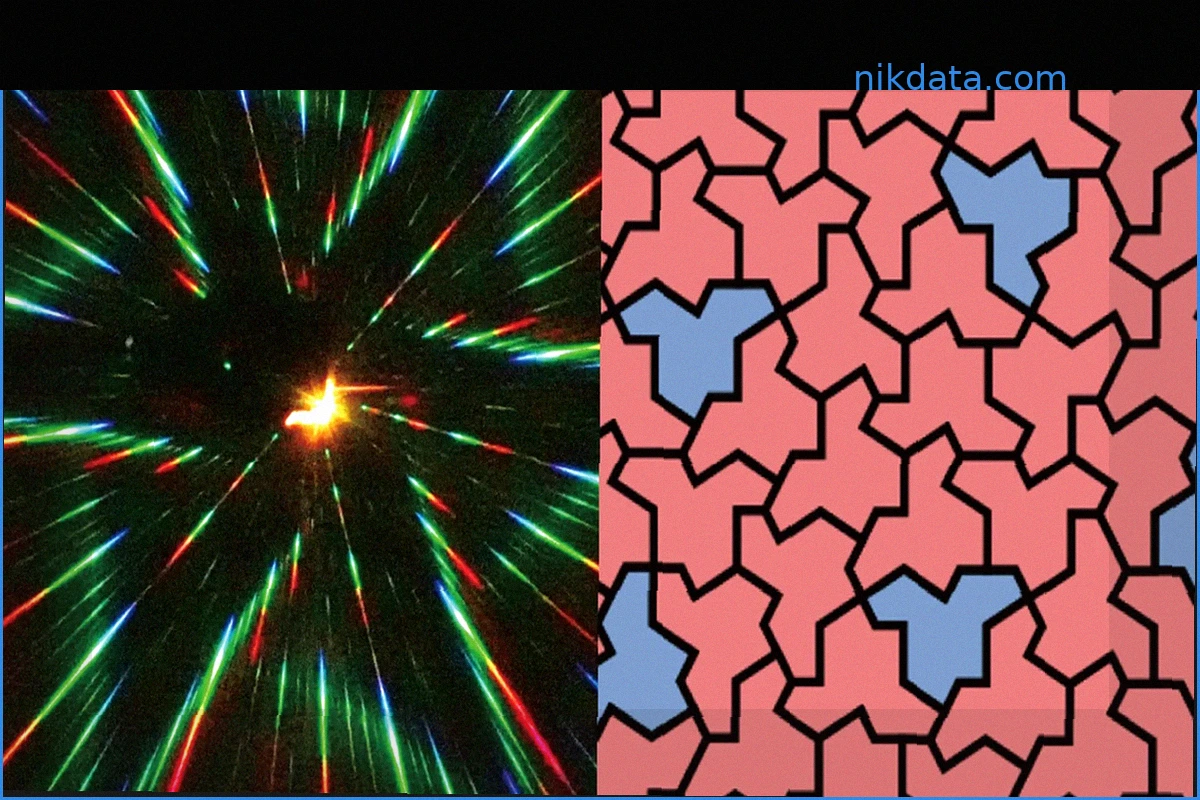
The Einstein Problem's Shape Reveals New Physics Through Light Patterns
A mathematical shape, famous for solving a decades-old puzzle, is now showing an unexpected link to physics. Structures based on this shape can make light form unusual chiral patterns, opening new avenues for studying how geometry affects optical behavior. Researchers from the Institute of

Screen Time's Unexpected Link to Kids' Cognitive Skills
A Finnish study has uncovered an unexpected correlation between screen usage and cognitive capabilities. Children who spent more time in front of screens as they grew tended to exhibit enhanced cognitive processing during their adolescent years. One of the lead researchers advises agai

Tiny Fossils Reveal Secrets of Complex Life's Origin
While the hunt for life on Mars or distant icy moons often grabs headlines, a profound mystery about the emergence of complex life is unfolding much closer to home. Scientists are diligently working to pinpoint when the first eukaryotes appeared on Earth and how these pivotal organisms paved